
According to the CDC’s Adverse Childhood Experiences data, 2024, nearly two-thirds of U.S. adults experienced at least one traumatic event before age 18. That’s not a rare, unlucky few. That’s most people.
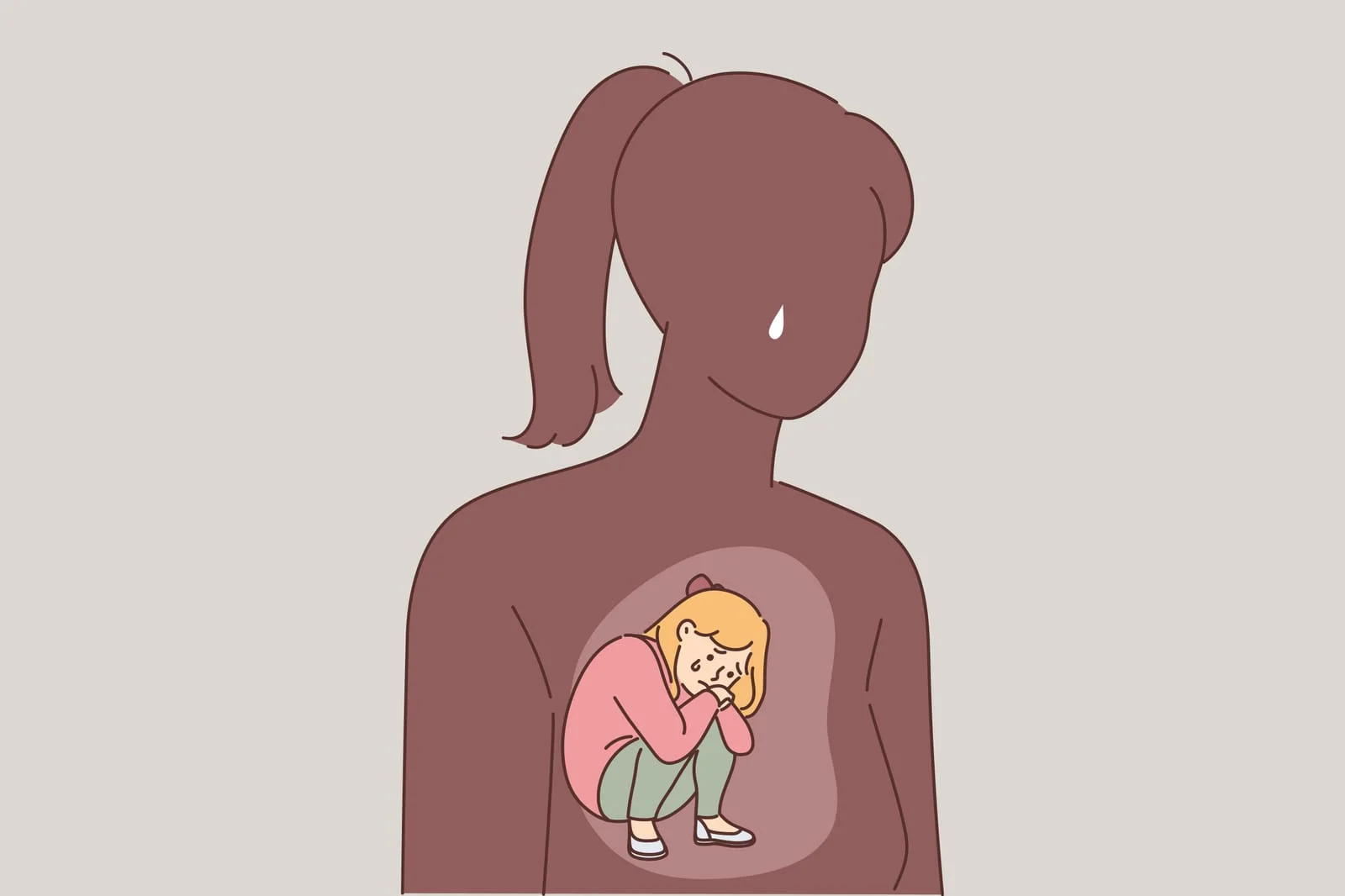
Types of childhood trauma are specific categories of early adversity with measurable, lasting effects on how the brain and body develop. Knowing which category fits your experience isn’t about labels or blame. It’s about making sense of something that shaped you, often before you had any words for it.
This article breaks down the 5 major categories, what each one looks like, and how it tends to show up later in life.
Why Do the Types of Childhood Trauma Matter?
Different childhood trauma types affect the brain in different ways. The main research framework is Adverse Childhood Experiences (ACEs), which emerged from a landmark CDC-Kaiser study of over 17,000 people and identified 10 specific categories of early adversity. People with four or more ACEs are 12 times more likely to develop anxiety, depression, or substance use disorders than those with none. Each type adds cumulative stress to a developing nervous system, which is why naming the specific category matters for both understanding and treatment.
What Are the 5 Major Types of Childhood Trauma?
1. Abuse: Physical, Emotional, and Sexual
Abuse covers three forms. Physical abuse is deliberate bodily harm: hitting, shaking, burning, or any action meant to cause pain. Emotional abuse includes being humiliated, threatened, or made to feel worthless by a caregiver. Sexual abuse is any sexual contact directed at a child by someone older, regardless of whether force is involved. All three are active harms done to a child rather than something withheld, and they commonly lead to hypervigilance, shame, and lasting difficulty trusting others in adulthood.
2. Neglect: Physical and Emotional
Neglect is the most common form of child maltreatment, and the one people are least likely to recognize in themselves. According to the National Children’s Alliance, 2024, nearly half of all U.S. children experience at least one childhood trauma type, with neglect leading the list.
Physical neglect means basic needs go unmet: food, shelter, medical care. Emotional neglect is when a child’s feelings and bids for connection are consistently ignored, not out of hostility, but often out of emotional unavailability. It often feels like “nothing happened to me,” when something important was simply always missing. Adults who experienced this often describe a persistent sense of emptiness or difficulty knowing what they actually need.
3. Household Dysfunction
This childhood trauma type covers chronic instability at home even when no one is directly hurting the child. The ACE framework includes:
- A caregiver who misused alcohol or drugs
- A household member with untreated mental illness
- Witnessing domestic violence
- Parental separation or divorce
- A household member being incarcerated
Adults who grew up this way often describe chronic anxiety, difficulty relaxing, and a constant sense of waiting for something to go wrong. What makes this type particularly hard to process is that the child often loved the adults involved, so there’s no clear “villain” to point to, just a home that never felt fully safe.
4. Community and Environmental Trauma
Not all different types of childhood trauma happen at home. Community violence, discrimination, chronic poverty, and neighborhood instability activate the same stress-response systems as more recognized traumas. Research published by NCBI confirms that community-level adversity meets the clinical threshold for ACEs. Community trauma is often invisible because it’s normalized in the environments where it occurs.
5. Medical Trauma
Medical trauma includes repeated painful procedures, serious illness, or hospitalization that leaves a child feeling helpless and out of control, even when the care is necessary. This is one of the lesser-known types of childhood traumas, but it’s clinically significant. The body learns to associate medical settings with fear and powerlessness, and those associations can persist well into adulthood, sometimes showing up as avoidance of doctors or panic during routine appointments.
How Do Childhood Trauma Types Overlap?
These categories rarely show up alone. A child with a parent struggling with addiction may simultaneously experience neglect, household dysfunction, and community trauma. The more categories involved, the higher the cumulative load on a developing nervous system, which is why people with multiple types often find their symptoms more complex and harder to name.
| Trauma Type | Core Experience | Common Adult Patterns |
| Abuse | Active harm to the child | Shame, hypervigilance, trust issues |
| Neglect | Needs consistently unmet | Emptiness, people-pleasing, numbness |
| Household Dysfunction | Unstable home environment | Anxiety, fear of conflict |
| Community Trauma | Threatening external environment | Chronic stress, anger, distrust |
| Medical Trauma | Loss of control during illness | Avoidance of medical care, panic |
Recognizing yourself in one or more of these categories is a meaningful starting point. Childhood trauma responds well to treatment, especially trauma-informed approaches like EMDR, trauma-focused CBT, and somatic therapy. You don’t need a dramatic story or a single defining event to deserve support.
Conclusion
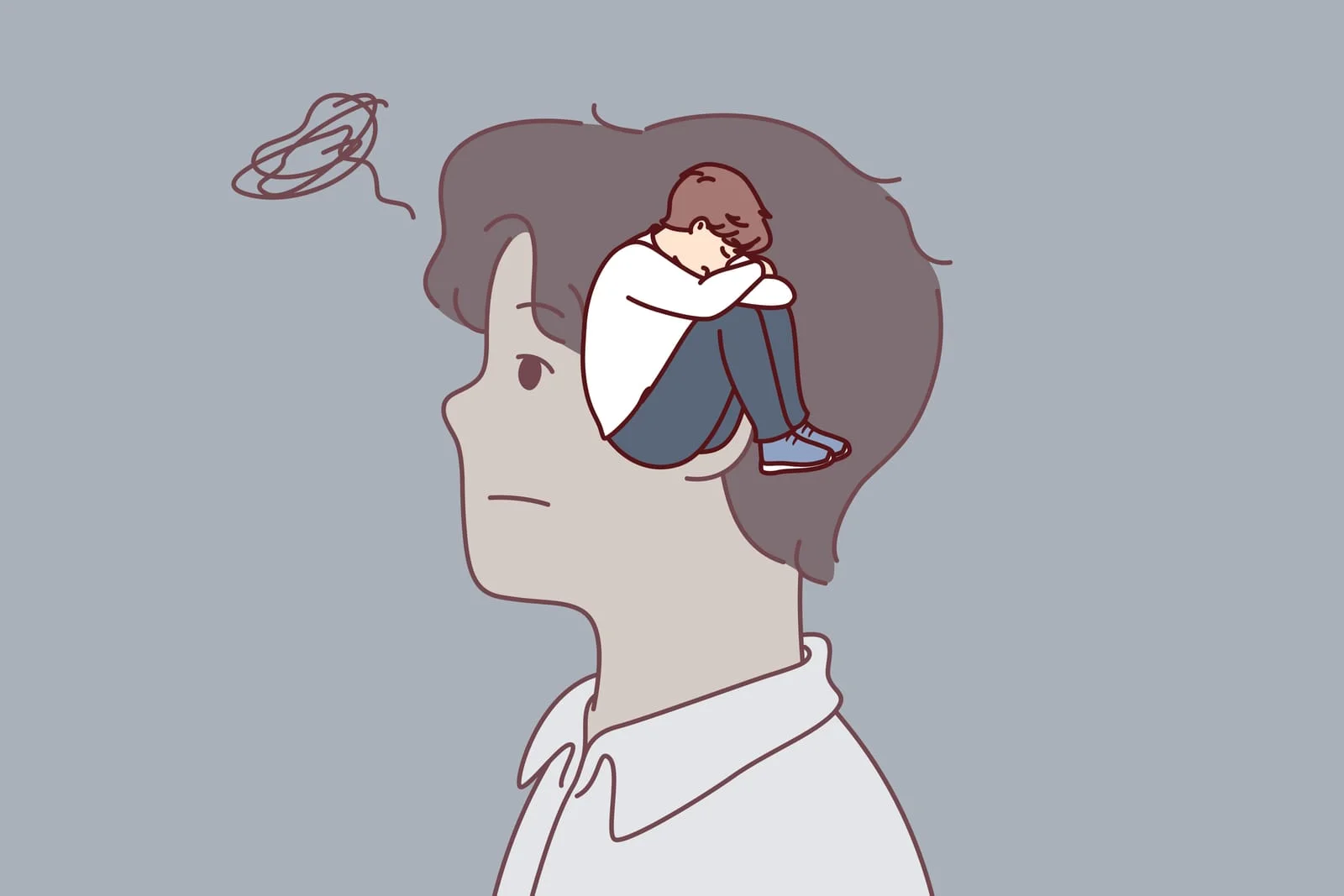
Nearly two-thirds of adults have experienced at least one type of childhood trauma, yet most never get support specifically aimed at those early experiences. The quiet, chronic types, especially neglect and household dysfunction, are just as real as more visible abuse, and they deserve just as much care. Understanding which categories apply to your history isn’t about reliving the past. It’s about understanding why certain things are harder for you, and knowing that makes complete sense.
If you’re ready to talk, our team offers individual therapy, psychotherapy services, and mental health support through telehealth in New York.
Ready to understand how your past may be affecting your present? Schedule a telehealth appointment with Your Local Psychiatrist and speak with a trauma-informed provider.
Frequently Asked Questions
What are the most common types of childhood trauma? Emotional abuse, physical abuse, neglect, and household dysfunction are the most frequently reported. CDC data from the 2023 Youth Risk Behavior Survey shows emotional and physical abuse top the list among high school students. Neglect, while less visible, is the leading form of child maltreatment overall.
How do I know if I experienced childhood trauma? Signs in adulthood include difficulty regulating emotions, persistent anxiety or depression, trouble trusting others, people-pleasing behavior, and a vague sense of emptiness that’s hard to explain. Childhood trauma doesn’t always stem from a single dramatic event. A trauma-informed therapist can help you explore your history without needing to have all the answers going in.
Can childhood trauma affect me even if I don’t remember it? Yes. Trauma, especially from early childhood, can be stored in the body and nervous system even without clear memories. Emotional reactivity, chronic tension, and certain behavioral patterns can all reflect early experiences that aren’t consciously recalled.
Can childhood trauma types be treated in adulthood? Yes, and treatment is very effective. Trauma-focused therapies like EMDR, trauma-focused CBT, and somatic approaches have strong clinical evidence for reducing symptoms in adults, including those with complex or overlapping trauma histories.
Is it possible to have trauma without having a “bad” childhood overall? Absolutely. Many people who experienced one or more types of childhood traumas also had loving caregivers and genuinely good memories. Trauma doesn’t cancel out the positive, and positive experiences don’t cancel out the impact of trauma. Both things can be true at the same time.