

According to a review published in PMC/NIH, postpartum depression occurs in approximately 8 to 10 percent of new fathers, with the highest rates between 3 and 6 months after birth. Most people have never heard that. That’s the problem.
When a new baby arrives, the focus goes to the mother. Dad is supposed to be strong and fine. But postpartum depression in men is real, clinically recognized, and seriously underreported. It rarely looks like sadness. It looks like irritability, withdrawal, and a quiet sense of falling apart.
Can Men Get Postpartum Depression?
Yes, and the evidence is clear. About 1 in 10 new fathers experience it globally. That number climbs sharply when the mother is also struggling: up to 50% of men whose partners have postpartum depression will develop it themselves, according to research from Phoenix Health.
Testosterone levels can drop by as much as 30% after a baby is born, and low testosterone is independently linked to depression. Add sleep deprivation, financial pressure, and relationship strain, and the conditions for a depressive episode become very real. Social stigma keeps most men from reporting it until symptoms are already significant.
What Are the Signs of Postpartum Depression in Men?
Men postpartum depression rarely presents as tearfulness. The symptoms are more masked, which makes them easy to dismiss.
Common signs include:
- Persistent irritability or disproportionate anger
- Withdrawal from partner, baby, or friends
- Fatigue that doesn’t improve with rest
- Feelings of inadequacy or failure as a father
- Loss of interest in things that used to matter
- Increased alcohol or substance use
- Physical complaints: headaches, tension, poor sleep
When these feelings persist beyond two weeks and begin affecting daily functioning or bonding with the baby, that crosses into clinical territory.
What Causes Postpartum Depression in Men?
| Factor | How It Contributes |
| Hormonal changes | Testosterone drops, cortisol rises, disrupting mood |
| Sleep deprivation | Impairs emotional regulation |
| Partner’s mental health | Up to 50% risk if partner has PPD |
| Financial stress | Added pressure of providing for a new family |
| Relationship strain | Shift from couple to parenting unit creates distance |
| History of depression | Prior episodes significantly raise risk |
Men experience real hormonal shifts after birth: changes in testosterone, cortisol, oxytocin, and prolactin that directly affect mood and bonding. The transition to fatherhood also involves an identity shift that rarely gets acknowledged. Men are expected to adapt. When they struggle, there’s no cultural framework for it.
How Is It Diagnosed and Treated?
There are no DSM-5 criteria specific to paternal PPD. Clinicians apply major depressive disorder criteria, looking for five or more symptoms lasting at least two weeks. Because men rarely self-report emotional symptoms, many cases are missed entirely.
Men with postpartum depression are frequently misdiagnosed or not diagnosed at all, which makes finding a provider who specifically screens for it essential.
Do men get postpartum depression treated the same way as women? Largely, yes. Effective options include:
- CBT: Targets negative thought patterns driving irritability and withdrawal.
- Interpersonal Therapy: Addresses relationship strain and communication challenges.
- Couples counseling: Helps both partners navigate the postpartum period together.
- Antidepressant medication: Effective for moderate to severe symptoms.
- Lifestyle support: Sleep, exercise, and reducing alcohol all make a measurable difference.
How Can Partners Help?
Partners are often the first to notice something is wrong, and the most likely to get a struggling father into care.
- Name what you’re seeing, calmly. “I’ve noticed you seem more withdrawn lately and I’m worried” opens a door.
- Encourage help directly. Offer to find a provider or make the appointment.
- Share responsibilities. Exhaustion drives depression. Dividing the load matters.
- Take care of your own mental health. Maternal and paternal PPD are closely linked. Supporting yourself protects both of you.
How Long Does It Last?
For most fathers, symptoms peak between 3 and 6 months postpartum. With appropriate treatment, meaningful improvement typically comes within 8 to 12 weeks. Without intervention, symptoms can persist well beyond the first year and are associated with behavioral problems in children and lasting relationship strain.
Conclusion
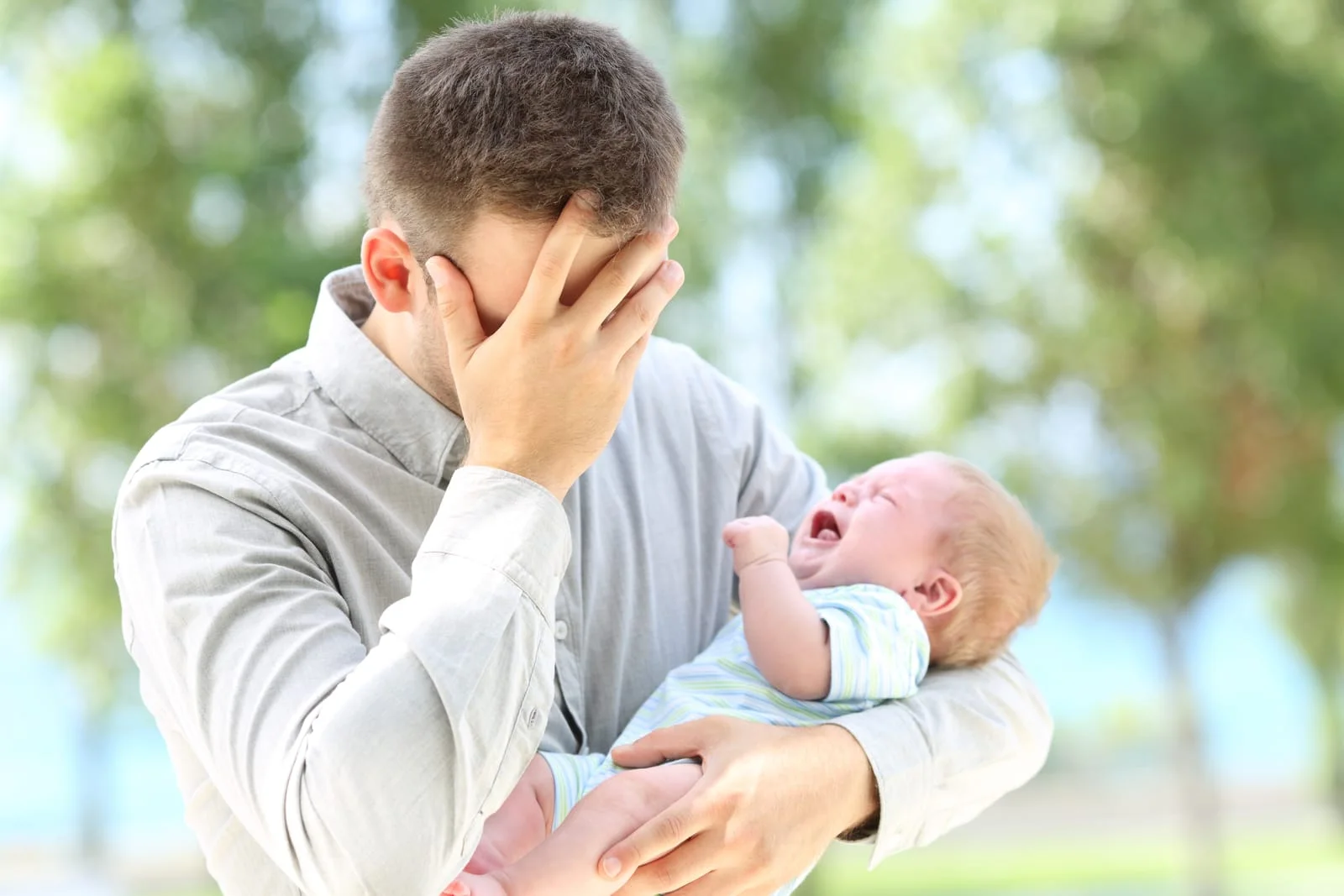
Postpartum depression in men affects roughly 1 in 10 new fathers, yet remains widely unrecognized and untreated. The symptoms don’t look like classic depression. They look like exhaustion, distance, and quietly failing. That’s exactly why awareness matters.
Our team offers psychiatry services, individual therapy, and couples therapy through telehealth in New York for fathers and families navigating postpartum mental health.
Struggling after a new baby? You don’t have to figure it out alone. Schedule a telehealth appointment with Your Local Psychiatrist and get support from a licensed provider.
Frequently Asked Questions
Can men get postpartum depression after birth? Yes. Around 8 to 10% of new fathers experience it, with peak rates at 3 to 6 months postpartum. It’s real, clinically recognized, and treatable.
Can men have postpartum depression without obvious sadness? Yes. Men postpartum depression more often shows as irritability, withdrawal, and fatigue than tearfulness, which is why it’s frequently missed.
Why do men get postpartum depression? Hormonal shifts, sleep deprivation, relationship changes, financial stress, and a partner’s own mental health all play a role. Having a depressed partner roughly doubles a man’s risk.
How is postpartum depression in men treated? CBT, interpersonal therapy, couples counseling, and antidepressants are all effective. Most men benefit from a combination, and early treatment improves outcomes for the whole family.
Can postpartum depression in men be prevented? Not always, but risk can be reduced through early awareness, open communication, shared caregiving, and professional support when warning signs appear.