
According to a 2024 systematic review published in ScienceDirect, borderline personality disorder affects an estimated 2.4% of the general population, with individuals making up roughly 20% of all psychiatric inpatients. And yet BPD remains one of the most misunderstood conditions in mental health.
If you’ve been diagnosed with BPD, you may have noticed it doesn’t look the same in everyone. One person explodes outward in anger, another turns everything inward and goes silent. That’s not random. Those differences often reflect distinct types of BPD, a framework developed by psychologist Theodore Millon to explain why this disorder presents so differently from person to person.
BPD is a personality disorder marked by emotional instability, unstable relationships, impulsivity, and a distorted sense of self. The four types of BPD aren’t separate diagnoses but subtypes that describe how those core symptoms cluster and express themselves.
Why Do the Different Types of BPD Matter?
Recognizing which of the different types of BPD applies to you shapes which treatments will actually help. A clinician working with someone who internalizes everything (discouraged type) needs a different approach than one treating someone who acts out recklessly (impulsive type). Knowing your subtype isn’t about labeling yourself. It’s about getting care that fits.
The 4 types of BPD framework isn’t in the official DSM-5, but clinicians and researchers use it widely to personalize treatment. If you’ve ever taken a 4 types of BPD test online, this is the model behind it.
What Are the 4 Types of BPD?
1. Discouraged BPD (Quiet BPD)
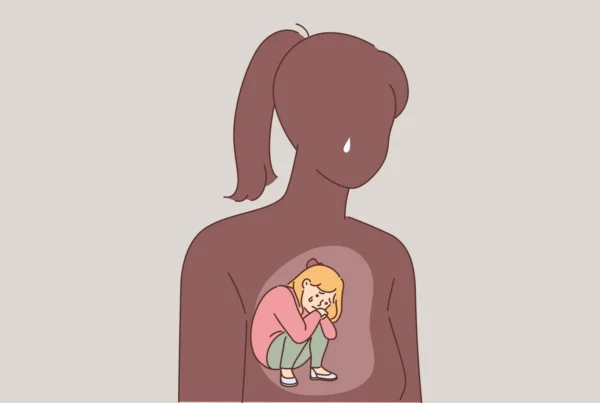
The pain stays mostly hidden. People with this type internalize distress instead of expressing it, which makes discouraged BPD the hardest subtype to detect. Key traits include codependent relationships, intense shame, social anxiety, and self-directed anger that can lead to self-harm. From the outside, these individuals often appear compliant or even fine. Inside, the experience is just as painful as any other type.
2. Impulsive BPD
This type is driven by a need for immediate gratification and stimulation, often at the expense of safety. Traits include risk-taking behavior (substance use, reckless driving), emotional volatility, and relationships that burn bright and collapse fast. Of the four types of BPD, this one is most visible from the outside, which sometimes leads to earlier intervention but also more stigma.
3. Petulant BPD
Petulant BPD lives at the intersection of anger and insecurity. People with this subtype feel chronically dissatisfied and oscillate between clinging to relationships and pushing people away. According to research cited by PMC/NCBI, the push-pull relational pattern here is particularly hard on both the person with BPD and those close to them. Key traits include irritability, passive-aggression, outbursts of rage, and deep resentment when needs go unmet.
4. Self-Destructive BPD
This type turns pain inward in actively harmful ways. Unlike the quiet withdrawal of discouraged BPD, self-destructive BPD involves behaviors meant to punish or hurt oneself: self-harm, self-sabotage, and suicidal ideation. A pervasive sense of emptiness and feeling “fundamentally broken” are common. This subtype carries the highest immediate safety risk and requires prompt, ongoing professional support.
How Do the 4 Types of BPD Compare?
| BPD Type | Core Experience | Primary Risk | Outward Pattern |
| Discouraged (Quiet) | Shame, fear of abandonment | Self-harm, isolation | Withdrawn, compliant |
| Impulsive | Need for stimulation | Substance use, risky behavior | Charismatic, volatile |
| Petulant | Chronic dissatisfaction, anger | Relationship instability | Reactive, unpredictable |
| Self-Destructive | Emptiness, self-punishment | Self-harm, suicidality | Depressive, self-blaming |
It’s common to identify with more than one type or to shift between them at different life stages. These are patterns, not permanent labels.
How Are the Different Types of BPD Treated?
Most types of BPD respond well to therapy when treatment is matched to the subtype. The main approaches include:
- DBT (Dialectical Behavior Therapy): Recommended for all four types. Builds skills in emotional regulation, distress tolerance, and interpersonal effectiveness.
- CBT (Cognitive Behavioral Therapy): Best for discouraged, impulsive, and petulant BPD. Targets the thought patterns behind emotional reactivity.
- Mentalization-Based Therapy: Effective for discouraged and petulant BPD. Improves the ability to understand one’s own and others’ mental states.
- Schema Therapy: Suited to petulant and self-destructive BPD. Addresses deeply held beliefs about self-worth rooted in early experience.
- Medication: Not a standalone treatment, but helps manage specific symptoms like mood swings or anxiety across all types.
Important Considerations Before Taking a 4 Types of BPD Test
Online quizzes can be a starting point for self-awareness, but they have real limits:
- They are not diagnostic tools. No quiz replaces a clinical evaluation.
- BPD is frequently misdiagnosed. Nearly 40% of people with BPD are initially diagnosed with bipolar disorder.
- Subtypes shift over time. A snapshot test won’t capture how your presentation may change with age and treatment.
If you recognize yourself here, the most useful next step is a conversation with a licensed provider.
Conclusion
The four types of BPD, discouraged, impulsive, petulant, and self-destructive, explain why this diagnosis can look so different from one person to the next. Knowing which subtype fits your experience helps clinicians build a treatment plan that actually matches how BPD shows up for you.
BPD is treatable. People improve. Getting matched to the right support makes that significantly more likely. Our team offers mental health evaluations and psychiatry services through telehealth, as well as individual therapy for those navigating a BPD diagnosis.
Think you may have BPD or want to understand your symptoms better? Schedule a telehealth evaluation with Your Local Psychiatrist and get an accurate assessment from a licensed provider.
Frequently Asked Questions
What are the 4 types of BPD? The four types identified by Theodore Millon are discouraged (quiet), impulsive, petulant, and self-destructive. Each shares BPD’s core features but expresses them in distinct behavioral and emotional patterns.
Is there a 4 types of BPD test I can take? Online quizzes based on Millon’s subtypes exist but are not clinical tools. They can support self-reflection, though an accurate diagnosis requires evaluation by a licensed mental health professional.
Can I have more than one type of BPD? Yes. Overlapping subtypes are common, and your dominant presentation can shift over time with age, stress, and treatment.
How is BPD diagnosed? Through a comprehensive clinical evaluation using DSM-5 criteria, assessing emotional instability, impulsivity, relationship patterns, and self-image over time. BPD is frequently misdiagnosed, so seeing a specialist matters.
What is the most effective treatment for the different types of BPD? DBT has the strongest evidence across all subtypes. CBT, mentalization-based therapy, and schema therapy are also effective depending on the specific presentation.
How is quiet BPD different from other types? Quiet BPD (discouraged type) involves internalizing emotions rather than expressing them outward. The suffering is real but invisible, which is why it’s often underdiagnosed.
Can BPD be treated successfully? Yes. Research suggests around 50% of people with BPD achieve remission over a 10-year period, and outcomes improve significantly with consistent, well-matched care.