

According to the National Institute of Mental Health, an estimated 2.8% of U.S. adults experience bipolar disorder in a given year, and roughly 4.4% will experience it at some point in their lives. If you or someone you love has been told “it might be bipolar,” the next question is almost always the same one: which type?
That distinction matters more than most people realize. Bipolar I vs bipolar II isn’t just a technical label difference, it changes how severe the manic episodes are, how the condition is diagnosed, and which treatments tend to work best. Bipolar disorder is a mental health condition marked by shifts between depressive lows and elevated, energized highs, and the two main subtypes differ mainly in how extreme those highs become.
This guide walks through exactly how bipolar I and bipolar II compare, what each episode actually feels like, and how to know when it’s time to talk to a professional.
What Is the Difference Between Bipolar I and Bipolar II Disorder?
The core difference in bipolar i disorder vs bipolar ii disorder comes down to the intensity of the manic episodes. Bipolar I is defined by at least one full manic episode, which is severe enough to disrupt work, relationships, or safety, and sometimes requires hospitalization. Bipolar II is defined by hypomanic episodes, a milder form of elevated mood, paired with at least one major depressive episode.
Bipolar I can occur without a depressive episode ever being diagnosed, while bipolar II always includes significant depression. That single fact surprises a lot of people, since bipolar disorder is often assumed to be an equal split between highs and lows. In reality, the two subtypes weigh those highs and lows very differently.
How Long Do Episodes Typically Last?
A manic episode in bipolar I lasts at least seven days, or requires hospitalization if symptoms are severe enough. A hypomanic episode in bipolar II lasts at least four days and is noticeably milder, often described as feeling “unusually good” or “on top of the world” rather than out of control.
How Severe Are the Symptoms in Each Type?
Mania in bipolar I frequently includes risky decision-making, reduced need for sleep for days at a time, racing speech, grandiosity, and in some cases psychotic symptoms like delusions. Hypomania in bipolar II involves similar symptoms in a lower gear, such as increased energy, confidence, and productivity, without the same level of impairment or loss of touch with reality.

What Are the Symptoms of Bipolar I vs Bipolar II?
Comparing bipolar i vs bipolar ii disorder symptom by symptom makes the differences much clearer than reading separate definitions.
| Feature | Bipolar I | Bipolar II |
| Defining episode | At least one full manic episode | At least one hypomanic + one major depressive episode |
| Episode duration | Mania lasts 7+ days (or requires hospitalization) | Hypomania lasts 4+ days |
| Severity | Can severely impair daily functioning | Milder highs, but depression can be severe |
| Psychosis | Possible during mania | Not present during hypomania |
| Hospitalization risk | Higher during manic episodes | Lower, but possible during severe depression |
| Depressive episodes | May or may not be diagnosed | Required for diagnosis |
| Common misdiagnosis | Schizophrenia, during psychotic mania | Major depressive disorder, since depression is more visible |
Bipolar II is often mistaken for straightforward depression because the hypomanic episodes are subtle enough to go unnoticed or feel like “just a good week.” This is one of the most common reasons bipolar II takes years longer to diagnose correctly than bipolar I.
Why Does Bipolar II Get Missed So Often?
- Hypomania doesn’t feel like a problem. People often enjoy the extra energy, motivation, and confidence, so they don’t report it to a doctor.
- Depression is the loudest symptom. Since depressive episodes are more disruptive and distressing, they’re usually what brings someone into treatment.
- Family and friends rarely flag hypomania. Unlike full mania, hypomanic behavior doesn’t usually alarm the people around the person experiencing it.
- Standard depression screenings don’t ask about highs. Many routine mental health screenings focus on depressive symptoms and never ask about elevated mood periods at all.
How Are Bipolar I and Bipolar II Diagnosed Differently?
Diagnosing bipolar II vs. I relies on the same clinical interview process, but the questions and thresholds differ. A psychiatric provider looks closely at episode history, duration, severity, and functional impact to determine which subtype fits.
- Review episode history. The provider asks about periods of unusually elevated mood, energy, or irritability, along with how long they lasted and how disruptive they were.
- Assess functional impact. Full mania typically interferes with work, school, or relationships in a way hypomania does not.
- Screen for psychosis. The presence of delusions or hallucinations during an elevated mood episode points strongly toward bipolar I.
- Confirm depressive episodes. For bipolar II, the provider verifies at least one major depressive episode alongside the hypomanic history.
- Rule out other conditions. Since symptoms can overlap with ADHD, borderline personality disorder, or unipolar depression, a thorough evaluation rules these out before finalizing a diagnosis.
What Are the Risks and Considerations With Each Type?
Both subtypes carry real risks if left untreated, though the specific concerns differ. With bipolar I, the biggest risk during a manic episode is impulsive, high-stakes decision-making, such as overspending, risky driving, or damaged relationships from behavior the person may not fully remember afterward. With bipolar II, the biggest risk often comes from the depressive episodes, which can be just as severe, and sometimes more frequent, than in bipolar I.
Misdiagnosis is another real concern for both types. Bipolar II is sometimes treated as standalone depression, and antidepressants without a mood stabilizer can occasionally trigger hypomanic episodes, which is why an accurate diagnosis matters before starting medication. Getting the subtype right isn’t a technicality, it directly shapes which medications and therapy approaches will actually help.
Is Treatment Different for Bipolar I vs Bipolar II?
Yes, though there’s meaningful overlap. Both subtypes are typically managed with mood stabilizers, and often a combination of medication and psychotherapy, but the emphasis shifts depending on which symptoms dominate.
- For bipolar I: Treatment often prioritizes preventing and managing manic episodes, since these carry higher safety risks, alongside addressing any depressive episodes that occur.
- For bipolar II: Treatment often prioritizes managing depressive episodes, which tend to be more frequent and disruptive, while carefully monitoring for hypomanic shifts.
- For both: Psychotherapy, such as cognitive behavioral therapy, combined with consistent sleep and routine habits, plays a major role in reducing episode frequency over time.
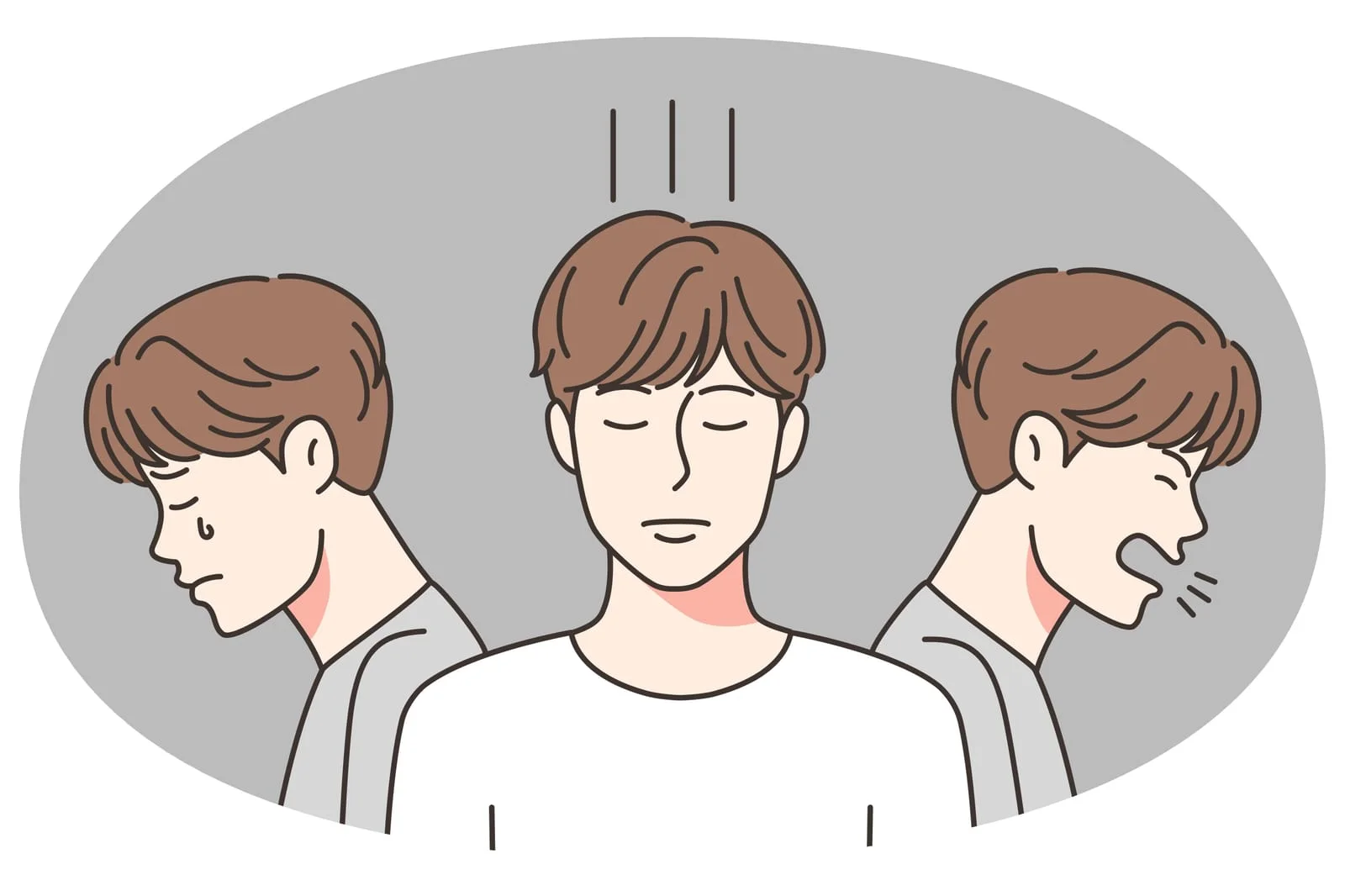
Getting an Accurate Diagnosis in NYC
If you’ve read through both lists and recognized pieces of yourself in either column, an evaluation with a licensed provider is the clearest next step. At Your Local Psychiatrist, our team specializes in diagnosing and treating mood disorders, including both bipolar I and bipolar II, with personalized care delivered through convenient telehealth appointments across New York.
The clearest way to tell bipolar I and bipolar II apart is a full clinical history, not a symptom checklist you fill out alone. Whichever subtype fits, an accurate diagnosis opens the door to treatment that actually addresses your specific pattern of highs and lows, rather than guessing at it from the outside. Our psychiatry services are built around exactly that kind of individualized care.
Ready to get answers? Schedule a consultation with Your Local Psychiatrist today.
Frequently Asked Questions
What is the main difference between bipolar I and bipolar II?
Bipolar I involves at least one full manic episode, while bipolar II involves hypomania paired with at least one major depressive episode. Mania in bipolar I is more severe and can include psychosis.
Is bipolar II less serious than bipolar I?
Not necessarily. While the highs are milder in bipolar II, the depressive episodes can be just as severe or more frequent than those seen in bipolar I.
Can bipolar II turn into bipolar I over time?
It’s uncommon, but a small number of people initially diagnosed with bipolar II are later reassessed as bipolar I if a full manic episode eventually occurs.
Why does it take so long to get diagnosed with bipolar II?
Hypomanic episodes are often subtle and don’t feel distressing, so they go unreported. Most people seek help during a depressive episode, which can lead to a misdiagnosis of standalone depression.
Can antidepressants make bipolar disorder worse?
Taking antidepressants without a mood stabilizer can sometimes trigger a hypomanic or manic episode in people with bipolar disorder, which is why an accurate diagnosis matters before starting medication.
Do bipolar I and bipolar II require different medications?
There’s overlap, since both are typically treated with mood stabilizers, but the specific medication plan often shifts based on whether manic or depressive episodes are more prominent.
Is it possible to have bipolar disorder without ever being manic?
Yes, this describes bipolar II, where hypomania, not full mania, occurs alongside major depressive episodes.