

Most people know that stress feels awful — the racing heart, the tight chest, the sense that everything is happening at once. But beyond how it feels, stress may be doing something more serious inside the body. This article explores the connection between stress and high blood pressure, examining both short-term and long-term effects, the physiological mechanisms at play, and why chronic stress could be putting your cardiovascular health at greater risk than you might think.
Introduction: A Question Worth Taking Seriously
Can stress cause high blood pressure? It’s a question doctors hear often, and the answer is more nuanced than a simple yes or no. Almost everyone deals with stress — deadlines, financial pressure, relationship challenges, and health worries. It’s woven into everyday life. But what happens inside the body when that stress doesn’t go away? And is it just a temporary spike, or could ongoing stress be quietly setting the stage for something more serious?
The short answer is that stress absolutely influences blood pressure. The longer answer involves understanding how it does that, when it becomes a real health problem, and what separates a rough day at work from a pattern that puts your heart at risk.
What Is High Blood Pressure — and Why Does It Matter?
High blood pressure, also called hypertension, happens when the force of blood pushing against artery walls stays consistently too high. Over time, that extra pressure puts strain on the heart, damages blood vessels, and raises the risk of heart attack, stroke, and kidney disease. It’s often called a “silent” condition because many people have it without any noticeable symptoms.
The health risks tied to unmanaged high blood pressure include:
- Heart disease and heart failure — the heart has to work harder than normal over time
- Stroke — high pressure can damage or rupture blood vessels in the brain
- Kidney damage — narrowed vessels reduce blood flow to the kidneys
- Vision problems — pressure can damage the delicate vessels in the eyes
Cognitive decline — reduced blood flow to the brain over the years can affect memory and thinking

The Physiology of Stress and Its Immediate Effects on the Body
When something stressful happens, the brain signals the adrenal glands to release hormones like adrenaline and cortisol. These hormones tell the heart to beat faster and blood vessels to narrow. The result? Blood pressure goes up — sometimes significantly — in a short period of time.
The Stress Response
This reaction is known as the fight-or-flight response. It evolved to help humans deal with physical danger. The body prioritizes survival: more blood is pumped to the muscles, heart rate increases, and the senses sharpen. All of this is useful if someone is running from danger — not quite as useful if the “threat” is a stressful email or a difficult conversation.
During the fight-or-flight response, here’s what happens inside the body in sequence:
- The brain’s amygdala detects a perceived threat and sends an alert signal
- The hypothalamus activates the sympathetic nervous system
- The adrenal glands release adrenaline and cortisol into the bloodstream
- Heart rate increases, and blood vessels constrict
- Blood pressure rises to push more oxygen to the muscles
- Once the threat passes, the parasympathetic nervous system brings the body back to baseline
Short-Term Effects on Blood Pressure
In the short term, this response is temporary. Once the stressful situation passes, the body returns to its baseline. Blood pressure normalizes, the heart slows down, and stress hormones clear from the system. According to the NHS, these short bursts of stress are not considered dangerous on their own for most healthy adults.
Does Stress Immediately Cause High Blood Pressure?
Yes — but the keyword is temporary. A single stressful event can spike blood pressure in the moment. Can stress and anxiety cause high blood pressure in a lasting way from one incident alone? Generally not. The problem develops when these spikes happen repeatedly over time, without enough recovery in between.
Chronic Stress and Its Long-Term Impact on Blood Pressure
Chronic Stress Explained
Chronic stress refers to stress that doesn’t go away — it lingers for weeks, months, or even years. Job pressure that never lets up, a difficult home situation, and ongoing financial strain. The body stays in a semi-activated stress state, which means stress hormones remain elevated far longer than they should.
Common sources of chronic stress include:
- Work-related pressure — excessive workload, job insecurity, or toxic workplace dynamics
- Financial difficulties — long-term debt, unemployment, or housing instability
- Relationship and family stress — conflict, caregiving responsibilities, or grief
- Health anxiety — persistent worry about one’s own or a loved one’s health
- Social isolation — lack of meaningful connection or support systems
Long-Term Effects on Blood Pressure
A real example of this comes from research published in the journal Hypertension by Kivimäki et al., where occupational stress — particularly in people with high job demands and low control over their work — was associated with a meaningfully higher risk of developing sustained hypertension compared to those in lower-stress work environments.
The Role of Cortisol
Cortisol, one of the primary stress hormones, plays a significant role in this process. When cortisol levels stay elevated over time, they interfere with the body’s ability to regulate:
- Inflammation — chronic low-grade inflammation damages arterial walls
- Fluid and sodium balance — excess cortisol can cause the body to retain sodium, raising pressure
- Vascular tone — blood vessels stay more constricted than normal
- Sleep quality — poor sleep caused by stress further compounds blood pressure problems
The body essentially gets stuck in a state of low-grade physiological alert, and that state has real physical costs.
Vascular Changes
Chronic stress may also contribute to changes in the structure and flexibility of blood vessel walls. Repeated narrowing of blood vessels can eventually reduce their ability to expand and contract properly. This makes it harder for the cardiovascular system to manage pressure efficiently, which over time can push readings into the hypertensive range. The American Heart Association notes that while the direct link between stress and permanent hypertension is still being studied, the indirect pathways — through behavior, sleep, and hormonal changes — are well established.
Can Stress and Anxiety Cause High Blood Pressure?
The Role of Anxiety in Stress
Anxiety and stress are closely related but not identical. Stress typically has an external cause — a situation or event. Anxiety often persists even when no immediate trigger is present. Both activate similar physiological pathways, but anxiety can be harder to switch off, making it particularly relevant when discussing blood pressure.
Anxiety-Related Blood Pressure Increases
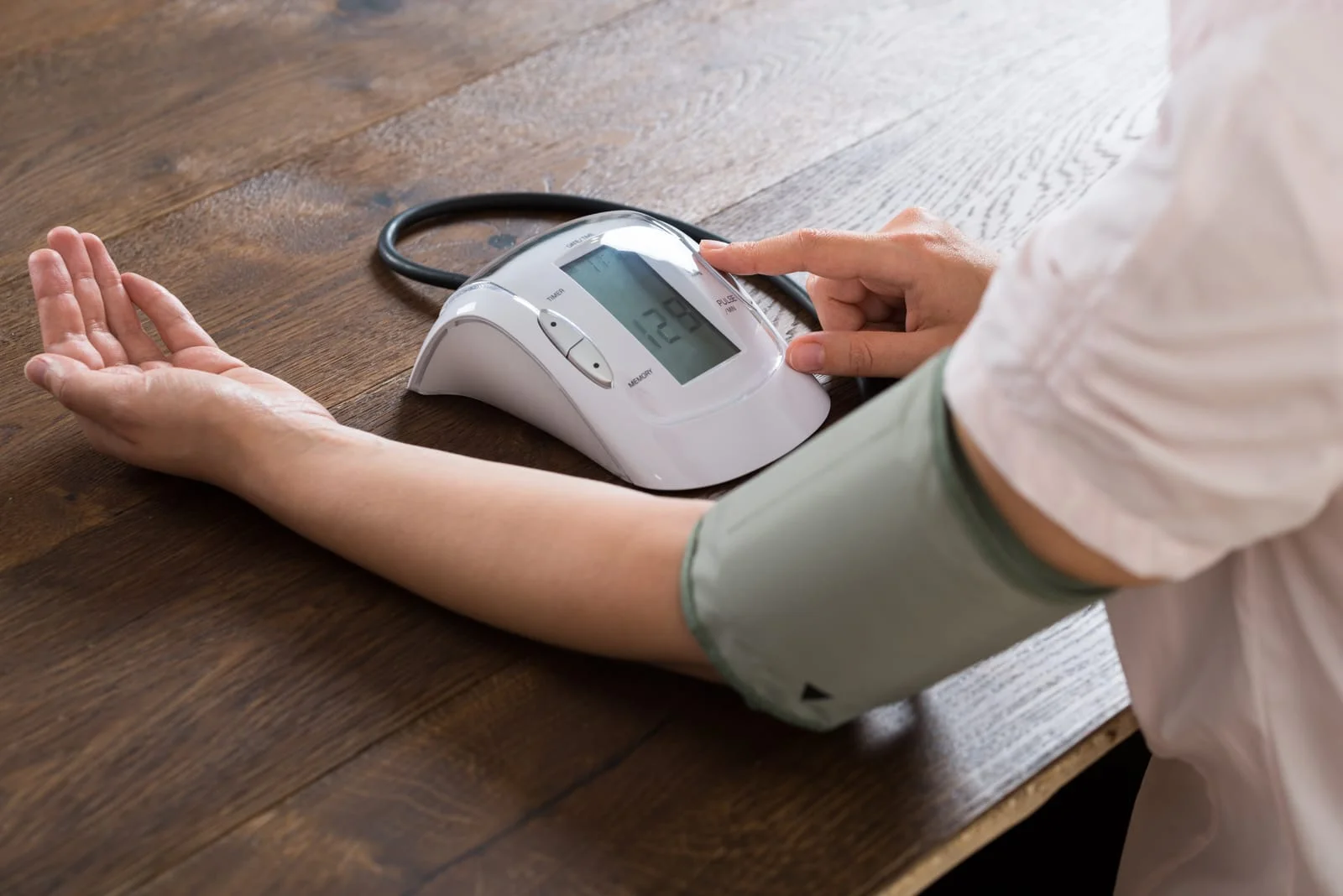
Can stress and anxiety cause high blood pressure through overlapping mechanisms? Yes. Anxiety keeps the nervous system in a heightened state, which means the heart and blood vessels are repeatedly called into action even when there’s no actual threat. Signs that anxiety may be affecting cardiovascular health include:
- Frequent heart palpitations or a pounding heartbeat at rest
- Consistently elevated readings when measured at home or at the doctor’s office
- Difficulty breathing or chest tightness during non-physical situations
- Trouble sleeping due to racing thoughts, which indirectly raises blood pressure over time
Psychological vs. Physiological Stress
It’s worth noting that the body doesn’t always distinguish between psychological and physical stress. A person worrying intensely about finances triggers a similar hormonal response as someone physically exerting themselves. That means mental and emotional stress carry real physical consequences, including effects on blood pressure. Can blood pressure be high because of stress that is purely psychological in nature? Absolutely — the body’s response doesn’t require a physical cause to produce a very real physical effect.
Conclusion: Short-Term Spikes vs. Long-Term Risk
The relationship between stress and blood pressure is real and well-supported by what we understand about human physiology. In the short term, stress causes temporary increases that resolve once the pressure passes. But when stress becomes chronic — when the body never fully gets a chance to return to baseline — the cumulative effects can contribute to sustained high blood pressure over time.
Can stress cause high blood pressure that becomes a diagnosable, lasting condition? Evidence points to yes, particularly when chronic stress intersects with other risk factors like poor sleep, inactivity, or an unhealthy diet. Managing stress isn’t just good for mental health — it’s a meaningful part of caring for the heart and the entire cardiovascular system.