
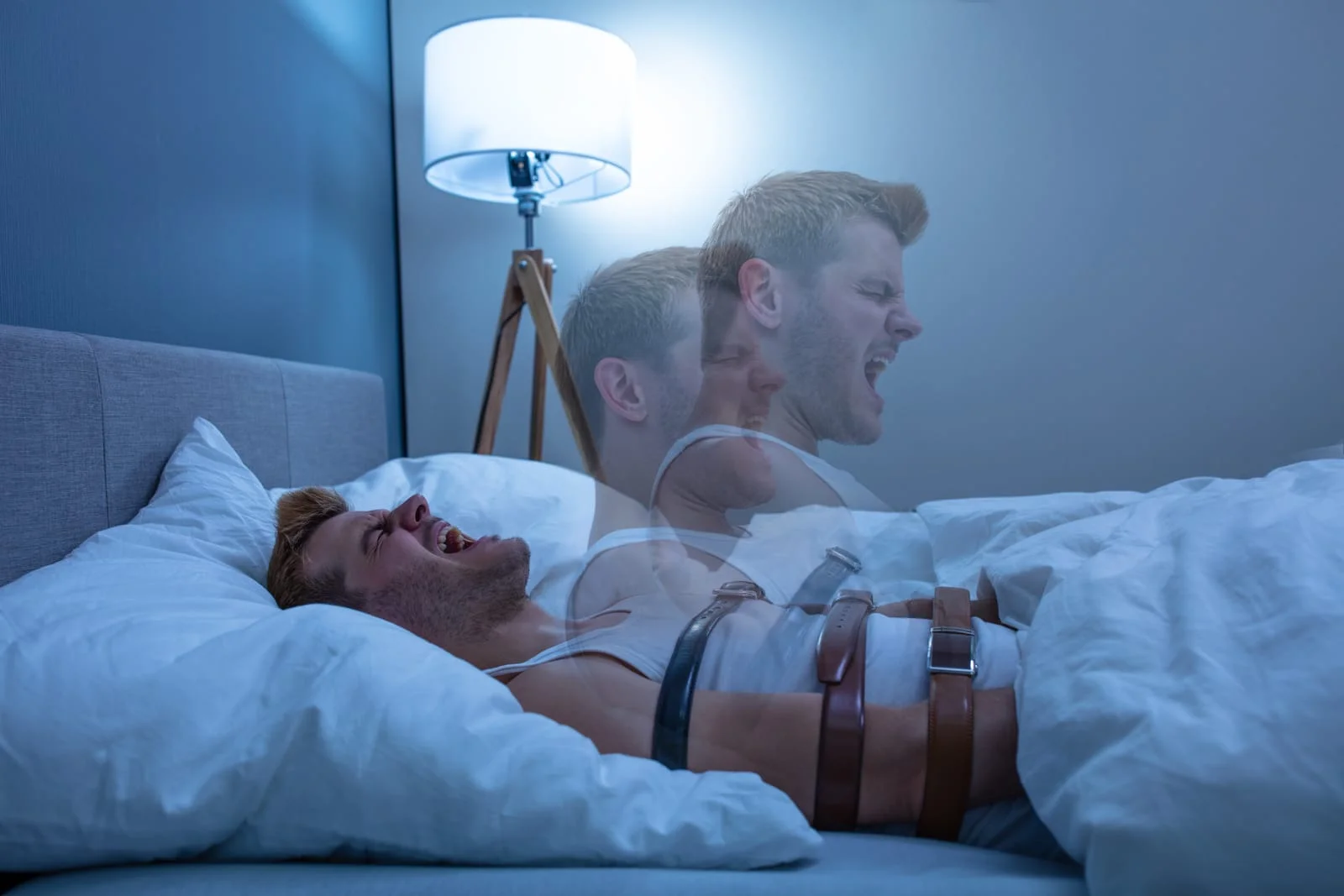
You wake up, but you can’t move. Your body feels like it’s pinned down by something invisible. You try to scream, but no sound comes out. For millions of people, this is not a nightmare — it’s sleep paralysis, and it’s very real. What’s even more fascinating is the growing body of research suggesting that anxiety and stress may be significant triggers behind these episodes. This article breaks down the science behind that connection in plain, straightforward terms.
What Is Sleep Paralysis?
Sleep paralysis is a temporary state where a person becomes conscious but is unable to move or speak. It happens during the transition between wakefulness and sleep — either when falling asleep (hypnagogic paralysis) or when waking up (hypnopompic paralysis). During this time, the brain is partially awake while the body remains in a state of muscle atonia, which is the natural paralysis that occurs during REM sleep to prevent people from acting out their dreams.
Types of Sleep Paralysis
There are two main types worth knowing:
- Isolated Sleep Paralysis (ISP): Occurs occasionally without any underlying sleep disorder. It can happen to almost anyone, especially during periods of high stress or irregular sleep.
- Recurrent Isolated Sleep Paralysis (RISP): Happens repeatedly over time and may be associated with underlying conditions like narcolepsy, anxiety disorders, or PTSD.
Sleep paralysis is more common than most people think. It cuts across age groups and backgrounds, and while it is not physically dangerous, the psychological impact can be significant — especially when episodes happen often.
Risk Factors That Increase Vulnerability
Several factors make a person more prone to sleep paralysis episodes:
- Irregular or severely disrupted sleep schedules
- Chronic sleep deprivation
- Underlying mental health conditions, particularly anxiety and PTSD
- Narcolepsy or other diagnosed sleep disorders
- High and sustained levels of daily stress
Understanding these risk factors matters because sleep paralysis rarely has a single cause. Anxiety tends to be one of the most consistent threads running through them.
Understanding Anxiety and Its Effects on the Body
Anxiety is the body’s response to perceived threats or stress. It activates the fight-or-flight system, floods the bloodstream with stress hormones like cortisol and adrenaline, and keeps the brain in a state of high alert. While this response is useful in genuinely dangerous situations, chronic anxiety means the body is essentially stuck in that alarm state — even when there is no actual danger present.
How Anxiety Disrupts Sleep
One of the most well-documented effects of anxiety is poor sleep quality. People with anxiety disorders often experience:
- Difficulty falling asleep due to racing or intrusive thoughts
- Frequent nighttime awakenings that interrupt sleep cycles
- Lighter, less restful sleep with reduced time in deep sleep stages
- Increased REM disruption or abnormal REM timing
These sleep disturbances matter a great deal when it comes to understanding why sleep paralysis caused by anxiety is such a recognized phenomenon. When sleep architecture is thrown off — particularly when REM sleep is disrupted — the brain and body can get temporarily out of sync during transitions between sleep stages.
The Mental Health and Sleep Disorder Connection
Mental health conditions and sleep disorders do not exist in isolation. Research consistently shows a bidirectional relationship: poor sleep worsens anxiety, and anxiety worsens sleep quality. This creates a feedback loop that makes both conditions harder to manage over time.
Researchers at Harvard Medical School have explored this link extensively, noting that sleep problems are present in nearly all psychiatric disorders. Their work, along with broader psychiatric sleep research, strongly supports the idea that treating anxiety is often inseparable from improving sleep outcomes.
Can Anxiety Cause Sleep Paralysis? Exploring the Scientific Link
So, can anxiety cause sleep paralysis? The short answer is yes — and the science explains why.
The Role of the Autonomic Nervous System
The autonomic nervous system (ANS) regulates involuntary body functions, including heart rate, breathing, and sleep transitions. Anxiety keeps the sympathetic branch of the ANS — the one responsible for fight-or-flight — chronically activated.
During sleep, the parasympathetic branch is supposed to take over, allowing the body to relax and cycle through sleep stages smoothly. When anxiety is high, this handoff does not always happen cleanly. The result? The brain may wake up partially while the body is still locked in REM atonia, which is exactly what sleep paralysis is.
Sleep Paralysis as a Stress Response
Can sleep paralysis be caused by anxiety? Yes, and one key reason is how stress hormones interfere with normal REM regulation. Elevated cortisol levels — especially late at night — have been linked to increased REM disruption and more fragmented sleep cycles. When someone is under significant stress, their body may cycle into REM sleep abnormally, increasing the likelihood of waking during that stage while still physically paralyzed.
What the Research Actually Shows
A study published in the Journal of Sleep Research by Brian Sharpless and Karl Barber examined the prevalence of sleep paralysis across different populations and found significantly higher rates among individuals with anxiety disorders and PTSD compared to the general population. Their findings support the idea that heightened arousal, hypervigilance, and disrupted REM sleep — all hallmarks of anxiety — are directly connected to increased episodes of sleep paralysis.
This is one of the more credible pieces of evidence confirming that stress and anxiety can cause sleep paralysis is not just a theoretical question. Sharpless has continued to publish on this topic, and his broader body of work is widely referenced in clinical psychology.
Common Symptoms of Sleep Paralysis
Understanding what happens during an episode can help reduce the fear surrounding it.
Physical Symptoms
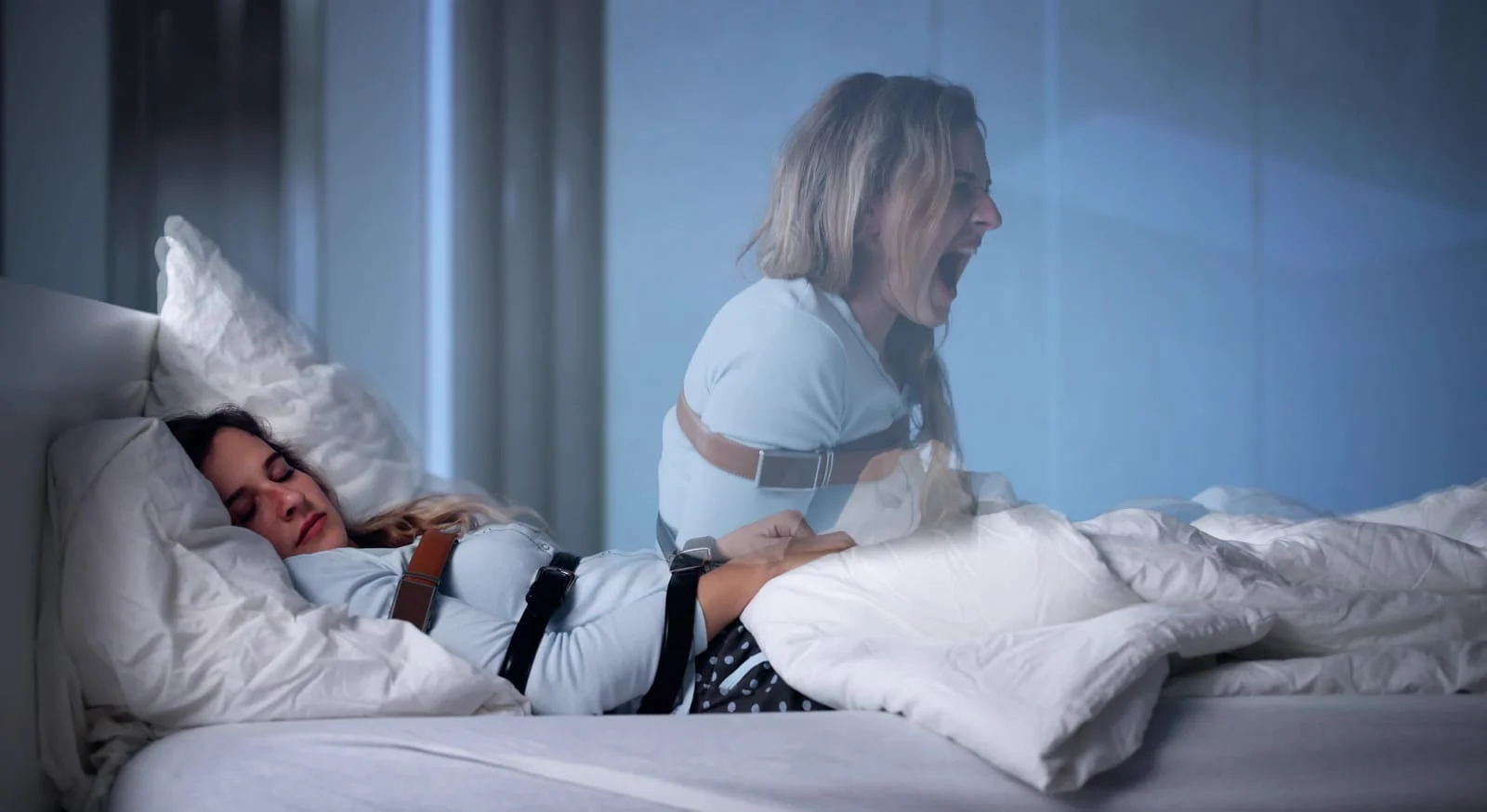
During sleep paralysis, the body is in REM atonia, so the most obvious physical symptom is a complete or partial inability to move. Some people also experience:
- Pressure or heaviness in the chest
- Difficulty drawing a full breath, even though breathing continues normally
- Awareness of eye movement while the rest of the body remains still
Sensory and Psychological Symptoms
Many people report vivid hallucinations during sleep paralysis episodes — visual, auditory, or even tactile. Common experiences include seeing shadowy figures, hearing sounds, or feeling a presence in the room. These hallucinations are a product of the brain being partially in a dream state while conscious awareness has kicked in — not a sign of psychiatric illness.
Emotional Aftereffects
Even after an episode ends — which typically happens within a few minutes — many people are left feeling shaken or afraid to go back to sleep. This fear can itself worsen anxiety, potentially increasing the risk of future episodes. Sleep paralysis caused by anxiety can therefore become a self-reinforcing cycle if not addressed.
Conclusion
The connection between anxiety and sleep paralysis is not coincidental. Can anxiety cause sleep paralysis? The science says it can — through disrupted sleep architecture, overactivated stress responses, REM irregularities, and a nervous system that struggles to fully power down. Can stress and anxiety cause sleep paralysis? Absolutely, and the research backs this up clearly.
Managing anxiety through therapy, improved sleep hygiene, regular physical activity, and stress reduction techniques is one of the most effective ways to reduce the frequency of sleep paralysis episodes. While sleep paralysis itself carries no direct physical harm, its impact on mental health and daily well-being is real and worth addressing. Understanding the link is the first meaningful step toward breaking the cycle.