
EMDR Therapy

Some memories stay stuck, replaying their intensity long after the moment has passed. EMDR helps your brain finish processing what it couldn't at the time, without requiring you to relive it in detail.

Schedule an Appointment

What Is EMDR Therapy?

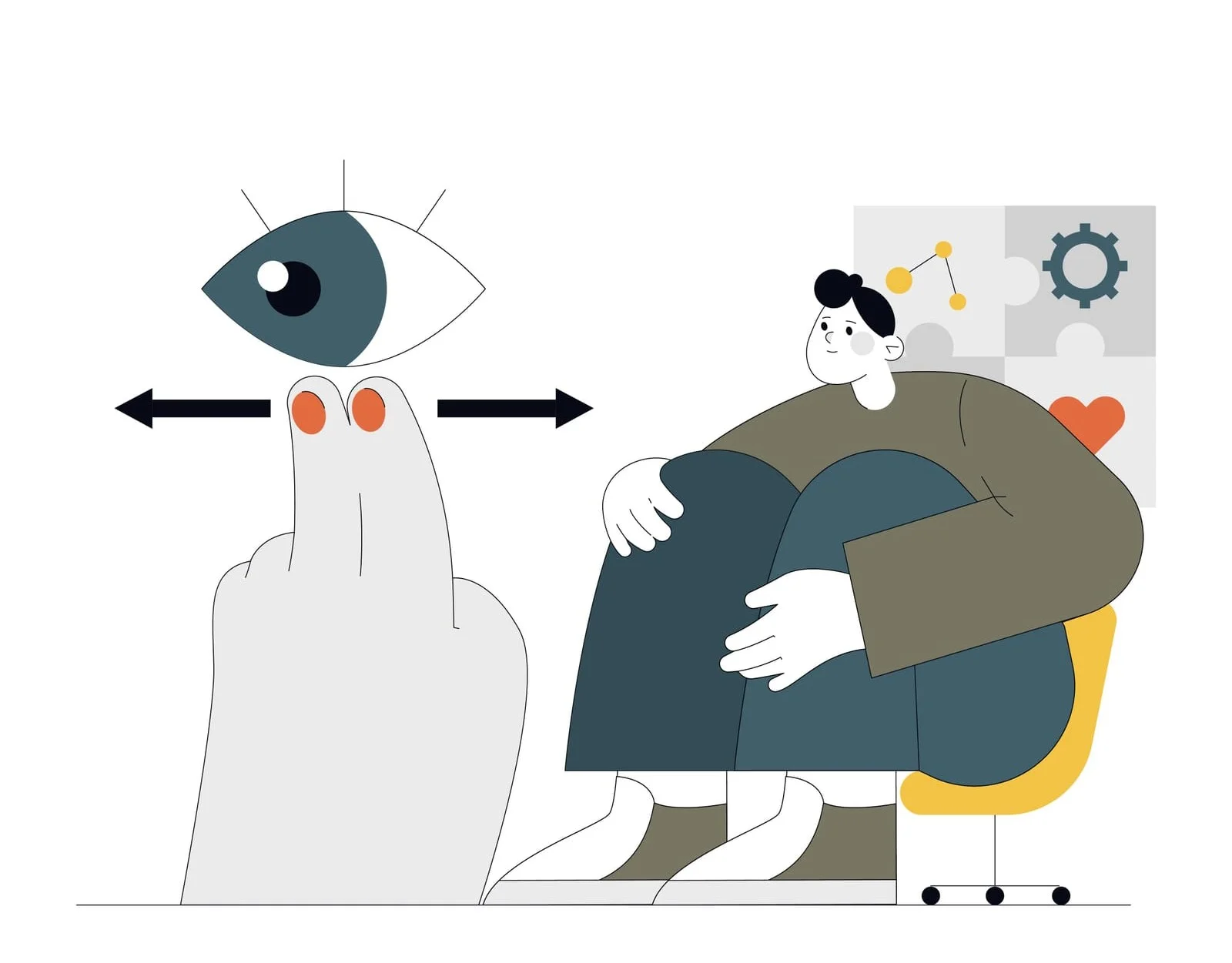
Eye Movement Desensitization and Reprocessing, or EMDR, is an evidence-based psychotherapy that helps people process and heal from traumatic or distressing memories. Rather than requiring patients to describe an event in extensive detail, EMDR uses guided bilateral stimulation, typically side-to-side eye movements, to help the brain reprocess memories that have become “stuck” and continue to trigger distress.

When a traumatic experience isn’t fully processed, it can remain stored with its original intensity, leading to flashbacks, intrusive thoughts, or strong reactions to reminders of the event. EMDR helps the brain complete that processing, reducing a memory’s emotional charge without erasing it. It is recognized by the World Health Organization and the American Psychiatric Association as an effective treatment for PTSD, and is now used for a range of other trauma-related conditions.

Schedule an Appointment
EMDR Therapy
EMDR Therapy

What EMDR Can Help With

While EMDR was originally developed for PTSD, it is now used to treat a broad range of conditions connected to difficult or overwhelming experiences:

  • Post-Traumatic Stress Disorder (PTSD): processing memories of combat, accidents, assault, or other traumatic events that continue to intrude on daily life.
  • Anxiety and Panic Disorders: addressing the root experiences that may be fueling chronic anxiety or panic responses.
  • Childhood Trauma and Neglect: reprocessing early experiences that continue to shape self-esteem, relationships, and emotional regulation in adulthood.
  • Grief and Loss: working through the distressing or traumatic aspects of losing a loved one.
  • Phobias: reducing the intensity of fear responses tied to a specific triggering memory or experience.
  • Performance Anxiety: addressing memories of past failures or embarrassment that contribute to ongoing fear of underperforming.

A thorough evaluation with one of our providers helps determine whether EMDR is an appropriate fit for your specific history and goals.

How EMDR Sessions Work at Your Local Psychiatrist

At Your Local Psychiatrist, our trained psychotherapists guide patients through EMDR using a structured, phased protocol designed to ensure safety and steady progress at every step. Our approach to EMDR therapy includes:

  • Preparation and Stabilization: before any memory processing begins, we work with patients to build coping skills and a sense of safety, ensuring they feel grounded and prepared for the work ahead.
  • Memory Identification: together, we identify specific target memories, along with the negative beliefs and physical sensations connected to them, to focus the reprocessing work.
  • Guided Bilateral Stimulation: using eye movements, tapping, or audio tones delivered through a secure video platform, we help the brain reprocess the targeted memory while significantly reducing its emotional charge.
  • Installing Positive Beliefs: as distress decreases, we help patients strengthen more adaptive, positive beliefs about themselves in relation to the memory.
  • Ongoing Reassessment: we regularly check in on progress and adjust the pace and focus of treatment to match each patient’s needs.
EMDR Therapy

Remote EMDR Sessions From Anywhere in New York

Contrary to a common assumption, EMDR can be delivered effectively through telehealth. All EMDR sessions at Your Local Psychiatrist are conducted through a secure video platform, using virtual bilateral stimulation techniques that have been shown to be effective for remote delivery. 

This allows patients throughout Manhattan, Brooklyn, Queens, the Bronx, and the rest of New York State to access this specialized therapy from a private, comfortable setting. All you need is a smartphone, tablet, or computer with audio and video capabilities.

We accept most major insurance plans, including Medicaid, Medicare, Aetna, Cigna, United Healthcare, Blue Cross Blue Shield, Healthfirst, Emblem Health, Fidelis Care, and many others.

Begin EMDR Therapy With Our Team

If distressing memories continue to affect your daily life, relationships, or sense of safety, EMDR therapy may help you process them and move forward. Our trained clinicians are here to guide you through the process with care and expertise.

Call us at 718-307-1577 or schedule an appointment online to connect with a licensed mental health provider today.

Schedule an Appointment

Frequently Asked Questions

No. One of the distinguishing features of EMDR is that it does not require patients to describe traumatic events in extensive detail, which can make it more approachable for people who find traditional talk therapy difficult or retraumatizing.

The number of sessions varies widely depending on the complexity of the memories being addressed. Some patients experience meaningful relief from a single, isolated traumatic memory in as few as six to twelve sessions, while more complex or long-standing trauma may require a longer course of treatment.

Yes. Research on remote EMDR delivery has shown it to be comparable in effectiveness to in-person sessions when conducted by a trained clinician using appropriate virtual bilateral stimulation tools.

No. EMDR does not erase memories. The goal is to reduce the emotional intensity and distress connected to a memory so it no longer triggers overwhelming reactions, while the factual memory of the event remains intact.

No. While EMDR is best known as a treatment for PTSD, it is also used for anxiety, phobias, grief, childhood trauma, and other conditions rooted in distressing past experiences.

Schedule an Appointment