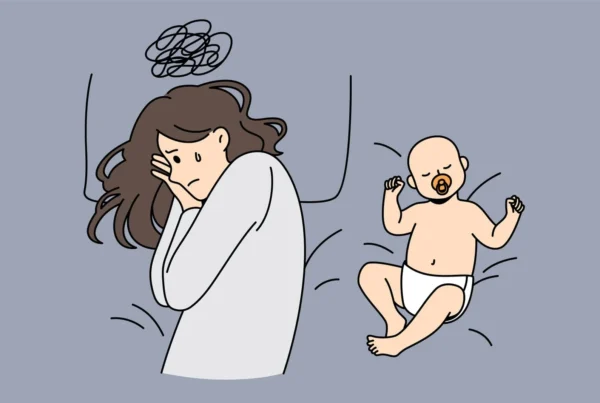
REM sleep behavior disorder (RBD) is a neurological sleep condition where the brain’s normal muscle-paralysis mechanism during dreaming fails, causing people to physically act out their dreams — sometimes violently — while still asleep. It is more common than most people realize, closely linked to serious neurodegenerative diseases, and frequently goes undiagnosed for years.
Sleep should be a time of rest and recovery. But for people living with REM sleep behavior disorder, the night holds something far more unsettling. Their bodies don’t stay still during dreams — they move, shout, kick, punch, and sometimes fall out of bed altogether. And most of the time, they have absolutely no memory of it come morning.
What Is REM Sleep Behavior Disorder (RBD)?
REM sleep behavior disorder is not just a case of restless sleep or talking in your dreams. It’s a recognized neurological condition in which the brain’s natural ability to keep the body still during REM (rapid eye movement) sleep breaks down entirely.
Definition and Overview
During normal REM sleep — the stage where most dreaming happens — the brain sends signals that essentially “switch off” voluntary muscle movement. This keeps us still while we dream, even when those dreams are intense or frightening. In people with REM sleep behavior disorder, this protective mechanism doesn’t work properly. The muscles remain active, and the person physically acts out whatever is happening in their dream.
This could mean gentle movements, like reaching or walking motions. But it can also mean shouting, swearing, jumping out of bed, or striking out at a bed partner — all while the person is completely asleep and unaware of what they’re doing.
Prevalence of REM Sleep Behavior Disorder
RBD is more widespread than many assume. According to the American Brain Foundation, diagnosed RBD affects roughly 1% of the general population and around 2% of adults over the age of 50. The actual number is likely higher, since close to half of people with the condition never realize they have it — their episodes happen during sleep, and without a bed partner to notice, the symptoms often go unreported for years.
The condition is more commonly diagnosed in men and in adults over 50, though it can affect women and younger individuals, too.
Recognizing the Symptoms of REM Sleep Behavior Disorder
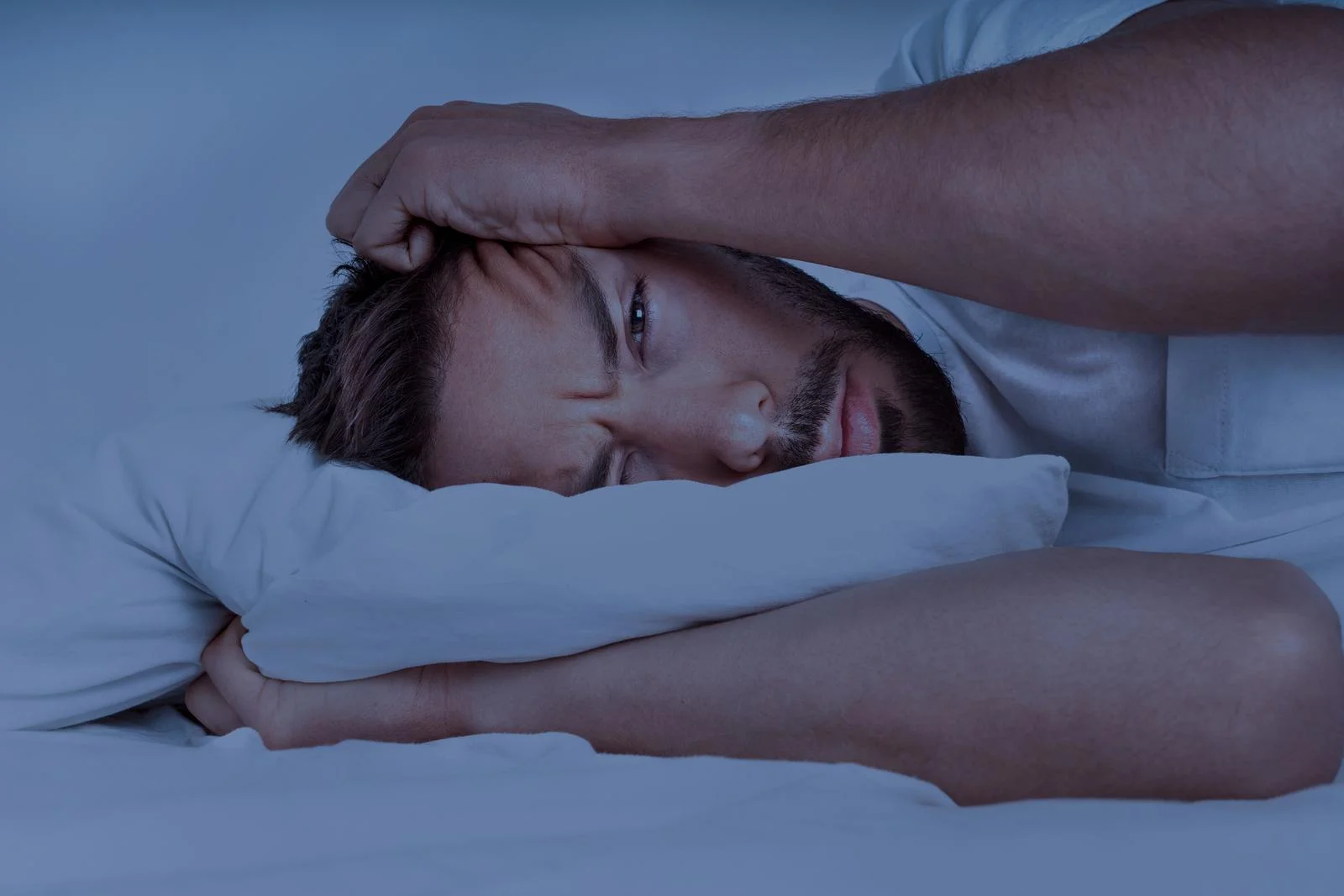
One of the most challenging aspects of RBD is that the person experiencing it is usually the last to know. Understanding REM sleep behaviour disorder symptoms is key to catching it early.
Physical Symptoms of RBD
The hallmark sign of RBD is dream enactment — when the body starts doing what the mind is experiencing in a dream. This can show up in many ways:
- Talking, shouting, or screaming during sleep, sometimes with clear emotional distress
- Punching, kicking, or flailing limbs, often in response to a perceived threat in the dream
- Falling or jumping out of bed, which can lead to cuts, bruises, or more serious injuries
- Sitting up suddenly or making grabbing motions without waking up
Because these behaviors happen during REM sleep — which occurs multiple times throughout the night — episodes can repeat several times in one night, or happen only occasionally. They tend to get worse over time rather than staying the same.
Psychological and Emotional Effects
Beyond the physical side, REM sleep behaviour disorder symptoms can take a psychological toll. Many people living with RBD report feeling anxious about going to sleep, dreading what might happen during the night. The dreams themselves are often vivid and disturbing, filled with conflict or danger. Waking up to find bruises or damage to nearby objects — and not remembering why — can be deeply disorienting.
Over time, this anxiety around sleep can chip away at mental well-being, contributing to mood disturbances, fatigue, and reduced quality of life.
Impact on Partners and Family Members
RBD doesn’t just affect the person who has it. Bed partners are often the first to notice the problem — and they bear a real physical risk too. Being struck during a sleep episode is not uncommon. Many partners of people with RBD end up sleeping in separate rooms, which can quietly strain even solid relationships. Families often feel helpless, unsure whether what they’re witnessing is dangerous or whether anything can actually be done about it.
What Causes REM Sleep Behavior Disorder?
Understanding the causes of REM sleep behavior disorder requires looking at the brain and nervous system, since this is fundamentally a neurological problem.
Neurological Factors
The brainstem plays the central role here. During healthy REM sleep, a network of structures in the brainstem actively suppresses motor activity — essentially locking the muscles in place. In RBD, this circuitry is disrupted. Research published in studies on neurodegenerative diseases consistently points to this brainstem dysfunction as the core issue.
What makes this especially significant is the strong connection between RBD and conditions like Parkinson’s disease, Lewy body dementia, and multiple system atrophy — a group collectively known as synucleinopathies.
A large international cohort meta-analysis found that after an average follow-up period of 4.6 years, around 28% of RBD patients had developed a clinically defined neurodegenerative disorder. Over longer follow-up periods of 12 years, the phenoconversion rate reaches as high as 73.5%, meaning that in many cases, REM sleep behavior disorder is an early warning sign of brain changes happening years before other symptoms become apparent.
Genetic and Environmental Factors
Among the causes of REM sleep behavior disorder, genetics and environment also appear to play a supporting role, though neither is as decisive as neurological factors. Family history may increase susceptibility in some individuals, but RBD is not considered a straightforwardly inherited condition.
Factors like age, sex (with men being more commonly affected), and the presence of other neurological conditions all contribute to risk. Autoimmune processes have also been implicated in certain cases — for example, in a rare condition called anti-IgLON5 disease, where immune system activity affects brain structures involved in sleep.
Medication and Substance Use
Some cases of RBD are directly triggered or worsened by external substances. Antidepressants — particularly those that affect serotonin levels, such as SSRIs and SNRIs — are among the most commonly linked medications.
Alcohol withdrawal has also been associated with the onset of RBD episodes. This doesn’t mean everyone taking antidepressants will develop REM sleep behavior disorder, but it does highlight how important it is to discuss any unusual sleep changes with a doctor when starting or changing medications.
The Risks of Untreated REM Sleep Behavior Disorder
Personal Injury
The physical risks of RBD are real and serious. Around 8 in 10 people with the condition experience sleep-related injuries at some point. These can range from minor cuts and bruises to more severe falls, fractures, or head injuries. Because episodes can escalate over time, what starts as occasional minor movements can become increasingly dangerous without intervention. Sharp objects near the bed, elevated sleeping surfaces, or nearby furniture all become hazards in this context.
Disruption of Sleep and Its Consequences
Even when RBD episodes don’t cause injury, they shatter sleep quality for everyone in the household. Fragmented sleep accumulates over time, and the consequences go well beyond feeling tired.
Chronic poor sleep is associated with impaired concentration, weakened immune function, increased emotional reactivity, and a higher risk of cardiovascular problems. For people with RBD who are also in the early stages of a neurodegenerative process, poor sleep may accelerate cognitive decline.
Impact on Relationships
The relational strain caused by RBD is easy to underestimate. Sleeping separately often becomes a practical necessity, but it can create emotional distance that builds over time. Partners may feel afraid, frustrated, or guilty about their own fear. And the person with RBD may feel shame or helplessness about something they can’t consciously control. Open communication — ideally with the support of a healthcare professional — is essential for navigating this together.
How Is REM Sleep Behavior Disorder Diagnosed and Managed?
Diagnosis typically involves a sleep study called a polysomnography (PSG), which records brain activity, muscle movement, eye movement, and breathing during sleep. Video recording is often included to capture behavioral episodes. This is currently the gold standard for confirming RBD, as it can rule out other conditions that might mimic the same symptoms.
Management focuses on two main areas:
- Safety modifications: Removing sharp or breakable objects from the bedroom, padding furniture edges, installing side rails on the bed, or placing the mattress on the floor to reduce fall risk
- Treating underlying conditions: If a neurological condition or medication is contributing to RBD, addressing that becomes a priority. Regular follow-up with a sleep specialist or neurologist is strongly recommended
Because of the strong association between RBD and neurodegenerative disease, ongoing monitoring is important even when symptoms appear manageable.

When Sleep Becomes a Warning Sign: What You Should Do Next
REM sleep behavior disorder is a condition that touches nearly every part of a person’s life — their safety, their sleep, their mental health, and their relationships. What makes it particularly important to understand is that it’s not always a standalone problem. As research increasingly shows, it can be an early signal of bigger neurological changes that deserve medical attention sooner rather than later.
The causes of REM sleep behavior disorder range from brainstem dysfunction and neurodegenerative disease to medications and autoimmune processes. REM sleep behaviour disorder symptoms — from physical dream enactment to emotional distress — can be subtle at first, which is why awareness matters so much.
If you or someone close to you is experiencing unusual, disruptive, or potentially dangerous behavior during sleep, the right move is to speak to a doctor. A sleep specialist can help make sense of what’s happening and guide the next steps. This isn’t just about getting better sleep — it’s about protecting long-term health and well-being before more serious problems develop.
RBD at a Glance
| Feature | Details |
| Condition type | Parasomnia (sleep disorder) |
| Who is most affected | Men over 50, though anyone can develop it |
| Core mechanism | The brainstem fails to suppress muscle movement during REM sleep |
| Main symptoms | Shouting, kicking, punching, and falling out of bed during dreams |
| Key risk | Strong association with Parkinson’s disease, Lewy body dementia, and MSA |
| Diagnosis method | Overnight video polysomnography (PSG) |
| Injury rate | Around 8 in 10 people with RBD experience sleep-related injuries |
| Prevalence | ~1% of the general population; ~2% of adults over 50 |
Frequently Asked Questions About REM Sleep Behavior Disorder
Does REM sleep behavior disorder always lead to Parkinson’s disease? No. There’s a well-documented link, but RBD doesn’t guarantee Parkinson’s will develop — it simply warrants closer monitoring over time.
What happens during an RBD episode that causes someone to act out against their partner? The brain is dreaming, but the muscle-paralysis signal has failed. The body physically acts out the dream — if the dream involves a fight, those movements happen in real life.
How is REM sleep behavior disorder tested and diagnosed? A sleep medicine specialist conducts a clinical interview followed by an overnight polysomnography study with video monitoring.
What is REM sleep behavior disorder, and why does it happen? It’s a parasomnia caused by brainstem circuits failing to keep muscles still during dreaming. Triggers include neurodegeneration, certain medications, and autoimmune processes.