Kleptomania Treatment

The urge to steal isn't about the item, and the shame that follows can be just as hard to carry as the urge itself. Our team offers confidential, judgment-free kleptomania treatment to help you understand the pattern and take back control.

Schedule an Appointment

Kleptomania: An Impulse-Control Disorder, Not a Character Flaw

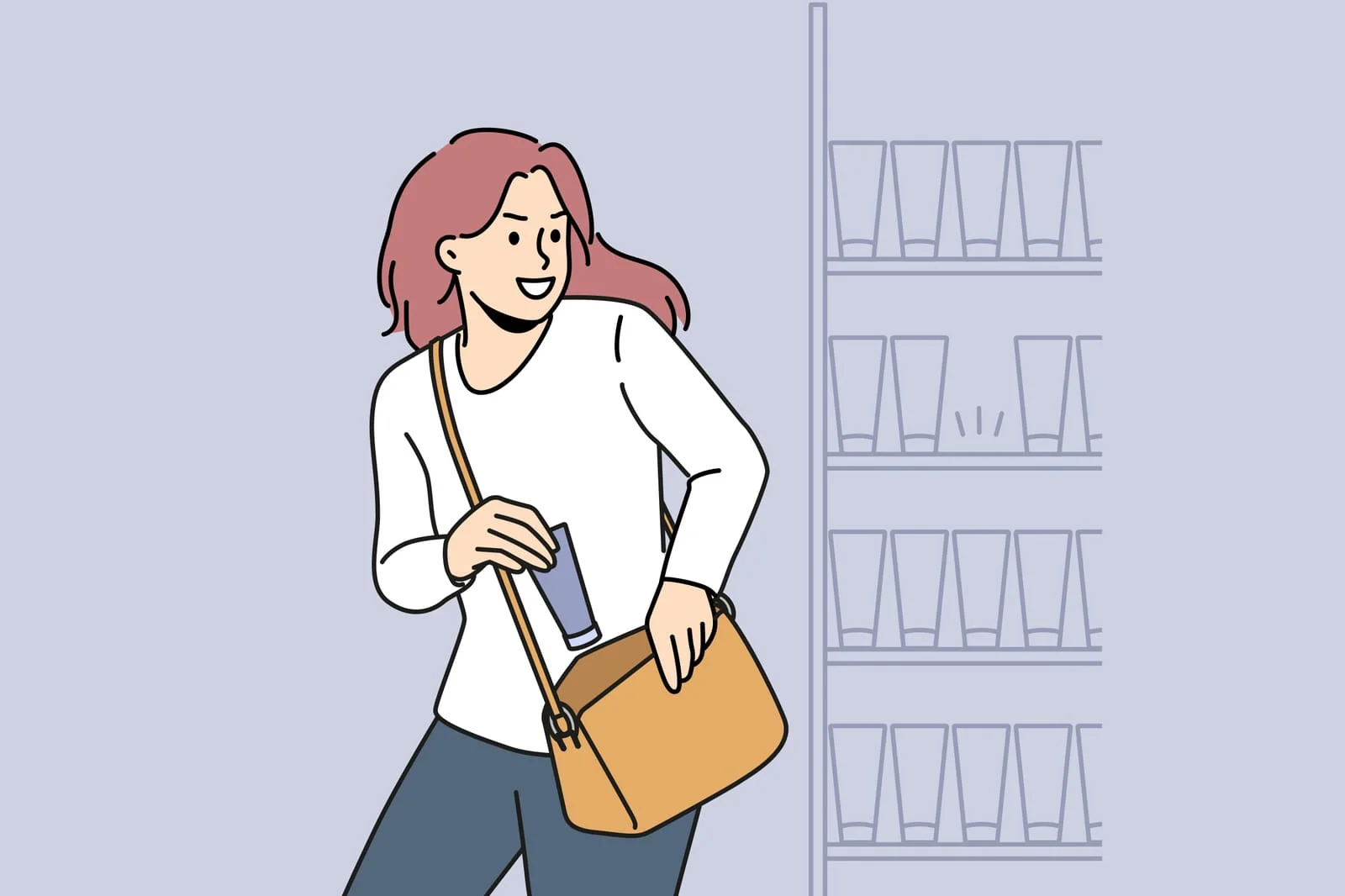
Kleptomania is a recognized impulse-control disorder marked by a persistent, difficult-to-resist urge to steal items that aren’t needed for personal use or value. It isn’t about greed; many people later discard, hide, or return what they’ve taken. The behavior follows an internal cycle of rising tension before the act and relief immediately after.

Kleptomania is often misunderstood and stigmatized, leading many to hide their symptoms out of shame rather than seek help. It frequently co-occurs with mood, anxiety, or obsessive-compulsive disorders. Because the behavior is compulsive rather than intentional, it’s a genuine psychiatric condition that responds to treatment, and a confidential evaluation is an important first step.

kleptomania treatment

The Cycle of Urge, Tension, and Relief in Kleptomania

Kleptomania is distinguished from ordinary theft by a specific pattern of thoughts and emotions surrounding the act:

  • Recurring, intrusive urges to steal: items taken are typically of little value and are not needed by the person taking them.
  • Rising tension beforehand: a mounting sense of anxiety or arousal in the moments leading up to the act.
  • Relief or gratification during the act: a feeling of release or pleasure at the moment of stealing, often followed quickly by guilt.
  • Guilt, shame, or fear afterward: many individuals feel deep remorse and anxiety about being caught, yet find themselves unable to stop the cycle from repeating.
  • The act is impulsive, not planned: unlike shoplifting for profit, kleptomania episodes are typically unplanned and not motivated by anger or revenge.

Because of the secrecy and shame often associated with kleptomania, symptoms can go unaddressed for years. A licensed psychiatric provider can offer a nonjudgmental space to discuss these patterns honestly.

Schedule an Appointment

Our Approach to Kleptomania Treatment

At Your Local Psychiatrist, our psychiatrists, psychiatric nurse practitioners, and psychotherapists provide compassionate, confidential care for individuals struggling with kleptomania. We understand how isolating this condition can feel, and our goal is to help patients understand the underlying drivers of their behavior and develop lasting strategies to manage urges.

Our approach to kleptomania treatment may include:

  • Cognitive Behavioral Therapy (CBT): CBT helps patients identify the thoughts and situations that trigger urges, interrupt the tension-release cycle, and build healthier coping responses.
  • Habit Reversal Training: this specialized technique helps patients recognize early warning signs of an urge and replace the impulsive behavior with an alternative response.
  • Medication Management: certain medications, including SSRIs, mood stabilizers, and opioid antagonists, have shown promise in reducing the intensity and frequency of urges. Our psychiatrists evaluate each patient individually to determine if medication may help.
  • Treatment of Co-Occurring Conditions: kleptomania often exists alongside depression, anxiety, or other impulse-control disorders. Addressing these conditions together leads to more effective, lasting results.
  • Relapse Prevention Planning: our clinicians work with patients to identify high-risk situations and build a personalized plan for maintaining progress over the long term.

Confidential Telehealth Care for Kleptomania

Given the sensitive and often stigmatized nature of kleptomania, many patients feel more comfortable starting treatment from the privacy of their own home. All appointments at Your Local Psychiatrist are conducted via telehealth, allowing you to access expert, judgment-free psychiatric care from anywhere in New York State, whether you’re in Manhattan, Brooklyn, Queens, the Bronx, or beyond. All you need is a smartphone, tablet, or computer with audio and video capabilities.

We accept most major insurance plans, including Medicaid, Medicare, Aetna, Cigna, United Healthcare, Blue Cross Blue Shield, Healthfirst, Emblem Health, Fidelis Care, and many others.

kleptomania treatment

Start Confidential Treatment for Kleptomania

If urges to steal have become a source of stress, shame, or fear in your life, you don’t have to face it alone. Our compassionate team provides discreet, effective care to help you understand your symptoms and regain control.

Call us at 718-307-1577 or schedule an appointment online to connect with a licensed mental health provider today.

Schedule an Appointment

    Frequently Asked Questions About Kleptomania Treatment

    No. Shoplifting is typically a deliberate act motivated by financial gain or the desire to own an item. Kleptomania involves an uncontrollable urge to steal items that hold little or no value to the person, followed by tension and relief that are unrelated to the item’s worth. The behavior stems from a genuine psychiatric condition rather than intent to profit.

    The exact cause isn’t fully understood, but research points to a combination of factors, including irregularities in brain chemistry related to impulse control and reward, genetic predisposition, and co-occurring mental health conditions such as mood or anxiety disorders. A thorough evaluation helps identify contributing factors for each individual.

    Yes. With a combination of therapy, and medication when appropriate, many people see a significant reduction in urges and are able to regain a sense of control. Consistency with treatment and ongoing support are key to long-term success.

    Yes. All care at Your Local Psychiatrist is provided with strict confidentiality. We understand the sensitivity of this condition and are committed to creating a safe, nonjudgmental space for every patient.

    If you experience recurring urges to steal items you don’t need, followed by tension and relief, and you’ve found yourself unable to stop despite wanting to, it’s worth speaking with a licensed provider. You don’t need to have been caught or face legal consequences to seek help — many people reach out proactively to break the cycle.