
According to the American Psychiatric Association’s DSM-5-TR (2022), kleptomania affects an estimated 0.3% to 0.6% of the general population, making it far more common than most people realize, yet it remains one of the most misunderstood conditions in mental health. If you or someone you love struggles with the urge to steal items they don’t need, you already know the shame and confusion that comes with it. This isn’t a character flaw or a moral failing, it’s a recognized psychiatric condition with real, effective kleptomania treatment options.
Kleptomania is an impulse-control disorder marked by a recurring inability to resist the urge to steal objects that aren’t needed for personal use or monetary gain, followed by relief or gratification once the theft occurs. Unlike shoplifting for profit, the behavior isn’t driven by financial need, it’s driven by an internal tension that only theft seems to release.
This article walks through kleptomania symptoms, causes, and treatment, so you can understand what’s happening and what steps actually lead to lasting change.
What Is Kleptomania?
Kleptomania is a diagnosable mental health condition classified under impulse-control disorders in the DSM-5-TR. People with kleptomania steal not for the item’s value, but for the psychological release the act provides. The objects taken are often trivial: a pen, a candy bar, a piece of jewelry the person could easily afford.
This distinction matters enormously for treatment. A therapist addressing kleptomania symptoms causes treatment as a package needs to understand that punishment or willpower alone rarely resolves the underlying compulsion. The condition responds best to structured psychiatric and therapeutic care.
What Causes Kleptomania?
There isn’t one single cause of kleptomania; researchers point to a combination of neurological, psychological, and environmental factors that increase risk.
Neurological and Chemical Factors
Some research links kleptomania to dysregulation in the brain’s dopamine and serotonin systems, the same pathways involved in other impulse-control and addictive behaviors. This may explain why the act of stealing produces a rush similar to what’s seen in gambling disorder or substance use.
Co-Occurring Mental Health Conditions
Kleptomania rarely shows up alone. It frequently coexists with:
- Major depressive disorder
- Anxiety disorders
- Obsessive-compulsive disorder (OCD)
- Bipolar disorder
- Other impulse-control disorders, such as compulsive gambling
Life Stress and Trauma
For some individuals, symptoms intensify during periods of high stress, grief, or unresolved trauma. The stealing behavior can function as a maladaptive coping mechanism, temporarily numbing distress the person hasn’t otherwise processed.
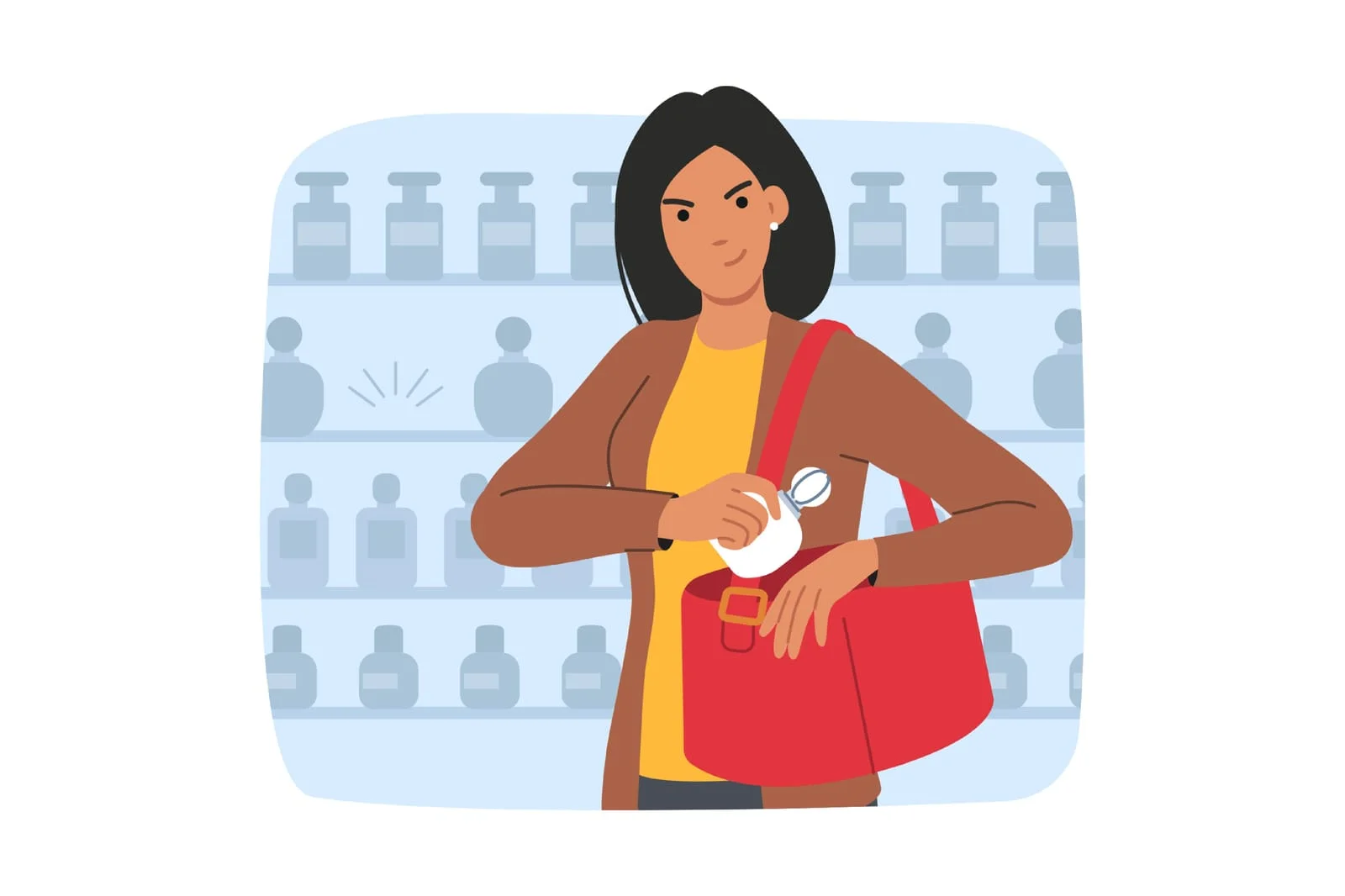
What Are the Symptoms of Kleptomania?
Recognizing kleptomania symptoms causes treatment planning to move faster, since an accurate diagnosis is the foundation of any effective care plan. Common signs include:
- Recurrent, unplanned urges to steal. The impulse typically isn’t premeditated and isn’t tied to needing the item.
- Rising tension before the act. Many describe a mounting internal pressure that builds until the theft occurs.
- Relief or pleasure during the theft. This is followed almost immediately by guilt, shame, or fear of being caught.
- Stealing low-value or unnecessary items. Items are often hoarded, discarded, given away, or quietly returned.
- Repeated attempts to stop, without success. Many people try to control the behavior alone for years before seeking help.
How Is Kleptomania Diagnosed?
A licensed psychiatric provider diagnoses kleptomania through a clinical interview, not a single test. There is no blood test or brain scan that confirms kleptomania, so diagnosis relies on a thorough history of the behavior pattern, its emotional triggers, and any co-occurring conditions.
Your provider will typically ask about the frequency of episodes, the emotional buildup beforehand, and what relief looks like afterward. They’ll also screen for related conditions like depression, anxiety, or other impulse-control disorders, since treatment often needs to address these together.
How Do I Choose the Right Treatment for Kleptomania?
- Start with a full psychiatric evaluation. Don’t skip this step. An accurate diagnosis rules out related conditions and shapes which therapies and medications are likely to help.
- Ask about cognitive behavioral therapy (CBT) specifically. CBT is currently the most researched psychotherapy approach for kleptomania and directly targets the thought-urge-action cycle.
- Discuss medication options with a psychiatrist. Certain SSRIs and, in some cases, naltrexone have shown promise in reducing urge intensity, though no medication is FDA-approved specifically for kleptomania.
- Address co-occurring conditions at the same time. Treating depression or anxiety alongside kleptomania often improves outcomes more than treating either issue in isolation.
- Build a relapse-prevention plan. Identify personal triggers, high-risk environments, and a support contact to call before acting on an urge, not after.
What Does Effective Treatment for Kleptomania Look Like?
The most effective treatment of kleptomania typically combines psychotherapy with medication management, tailored to the individual’s specific triggers and co-occurring conditions.
| Treatment Approach | What It Involves | Best For |
| Cognitive Behavioral Therapy (CBT) | Identifies urge patterns and builds alternative coping responses | Most people with kleptomania as a primary intervention |
| Medication (SSRIs, naltrexone) | Targets underlying mood symptoms or reduces urge intensity | Cases with co-occurring depression, anxiety, or strong compulsive urges |
| Covert sensitization | Pairs the urge to steal with an imagined negative consequence | People who respond well to behavioral conditioning techniques |
| Group or family therapy | Builds accountability and reduces isolation and shame | Individuals whose secrecy around the behavior is worsening distress |
Cognitive Behavioral Therapy in Practice
CBT for kleptomania focuses on interrupting the urge-tension-relief cycle before it reaches action. A therapist helps you identify early warning signs, such as specific environments or emotional states, and replace the behavior with alternative coping tools. Over time, this rewires the automatic response that currently ends in theft.
Medication Management
While no medication is officially approved for kleptomania specifically, psychiatric providers sometimes prescribe SSRIs when depression or anxiety are driving the urge cycle. Naltrexone, typically used for addiction treatment, has also shown encouraging results in reducing the intensity of stealing urges in some clinical studies.
Risks and Considerations in Kleptomania Treatment
Kleptomania carries real legal and relational risks that make timely treatment especially important, not just symptom relief for its own sake.
- Legal consequences. Repeated theft, even of low-value items, can lead to arrest, criminal charges, or a damaged record that affects employment and housing.
- Relationship strain. Secrecy around the behavior often erodes trust with partners, family, and friends long before anyone understands what’s actually happening.
- Treatment dropout risk. Because shame is central to this condition, many people stop treatment early out of embarrassment. A provider who creates a nonjudgmental environment significantly improves the odds of sticking with care.
- Under-treated co-occurring conditions. Focusing only on the stealing behavior while ignoring an underlying mood or anxiety disorder often leads to relapse, since the root emotional driver hasn’t been addressed.
- Self-medicating with substances. Some individuals turn to alcohol or drugs to manage the tension cycle, which can complicate diagnosis and requires integrated care.
The Bottom Line
The strongest takeaway here is that kleptomania is a treatable psychiatric condition, not a moral failing, and combining cognitive behavioral therapy with appropriate medication management gives most people a realistic path toward lasting control. Diagnosis is the first, and often hardest, step, since shame frequently keeps people silent for years before they reach out for help with impulse-control disorders. With the right combination of therapy, medication, and support, the urge-tension-relief cycle can be interrupted and replaced with healthier coping patterns.
If you recognize these kleptomania symptoms causes treatment patterns in yourself or someone you care about, working with a psychiatric provider in NYC who understands impulse-control disorders can make all the difference.
Schedule a confidential evaluation to start building a personalized kleptomania treatment plan.
Frequently Asked Questions
Can kleptomania be cured completely?
There’s no guaranteed “cure,” but many people achieve long-term remission with consistent cognitive behavioral therapy and, when appropriate, medication. Ongoing relapse-prevention strategies help maintain progress over time.
Is kleptomania the same as shoplifting for financial gain?
No, kleptomania involves stealing items the person doesn’t need or particularly want, driven by an internal urge rather than financial motivation. Ordinary shoplifting for profit doesn’t meet the clinical criteria for kleptomania.
What medication is used for kleptomania treatment?
There’s no medication specifically FDA-approved for kleptomania, but SSRIs and naltrexone are sometimes prescribed off-label based on individual symptoms. A psychiatric provider can determine whether medication makes sense alongside therapy.
How do I know if I need treatment for kleptomania or if it's just a bad habit?
If the urge to steal builds tension you feel you can’t control, followed by relief after the act and guilt afterward, that pattern points toward kleptomania rather than a simple habit. A clinical evaluation can clarify the distinction.
Will therapy for kleptomania require me to talk to the police?
No, psychiatric treatment is confidential and therapists are not required to report past theft unless there’s an immediate safety concern. Treatment focuses on helping you stop the behavior, not on legal consequences.