

According to a 2024 systematic review published in Cureus, EMDR therapy showed meaningful improvement in post-traumatic stress symptoms across 11 of 16 studies analyzed, reinforcing its standing as one of the most researched trauma treatments available today. If you’re trying to heal from trauma, anxiety, or a difficult life event, you’ve likely come across two therapy names that sound similar but work quite differently: Brainspotting and EMDR. Choosing between brainspotting vs EMDR can feel overwhelming when you’re already carrying a heavy emotional load, and that confusion is completely understandable, and it’s exactly the kind of decision our trauma therapy team in NYC helps clients work through every day.
Brainspotting is a body-based therapy that uses specific eye positions to help the brain locate and process stored trauma. EMDR, or Eye Movement Desensitization and Reprocessing, is a structured, phase-based therapy that uses bilateral stimulation (like guided eye movements) to help the brain reprocess distressing memories. Both approaches aim to help you feel less controlled by painful experiences, but they get there through different paths.
This article breaks down how each therapy works, what a session actually looks like, and how to figure out which one might be the better fit for you.
What Is EMDR Therapy?
EMDR therapy is a structured, evidence-based treatment that helps the brain reprocess traumatic memories so they no longer feel overwhelming. It was developed by psychologist Francine Shapiro in the late 1980s and has since become one of the most widely studied trauma therapies in the world.
During an EMDR session, your therapist guides you through recalling a distressing memory while simultaneously engaging in bilateral stimulation, usually side-to-side eye movements, though tapping or audio tones can also be used. Research shows EMDR can be as effective as trauma-focused cognitive behavioral therapy for reducing PTSD symptoms, according to a 2024 meta-analysis in Psychological Medicine. Our providers offering EMDR therapy in NYC follow this same evidence-based protocol.
EMDR follows eight distinct phases, from history-taking and preparation through memory processing and closure. This structure is one reason many clinicians and clients appreciate it: you always know roughly where you are in the process.
Who Is EMDR Typically Used For?
EMDR therapy vs brainspotting comparisons often start here, because EMDR has the most robust research backing for specific diagnoses. It’s commonly recommended for:
- Post-traumatic stress disorder (PTSD)
- Single-incident trauma (accidents, assaults, medical trauma)
- Anxiety and panic disorders
- Complicated grief
- Phobias
What Is Brainspotting Therapy?
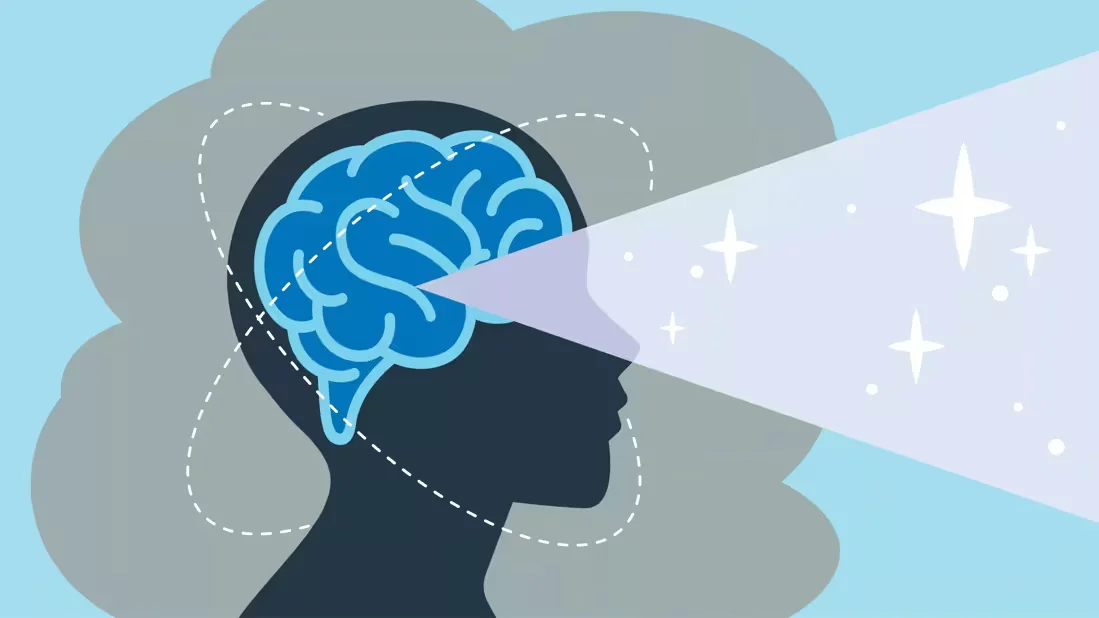
Brainspotting is a somatic (body-focused) therapy developed in 2003 by Dr. David Grand, who originally trained as an EMDR practitioner. He noticed that certain eye positions seemed to unlock deeper emotional material than standard EMDR protocols, and Brainspotting grew out of that observation.
Brainspotting therapy vs EMDR differs most in structure. Instead of following fixed phases, a Brainspotting session is more fluid. Your therapist helps you locate a “brainspot,” an eye position correlated with unresolved emotional or physical activation, often by watching for subtle reflexive cues like a flinch, a shift in breathing, or a change in your gaze. You then simply hold that eye position while noticing what comes up in your body and mind, with minimal verbal direction from the therapist.
Who Is Brainspotting Typically Used For?
Brainspotting is often chosen by people who:
- Feel “stuck” in talk therapy or find it hard to put trauma into words
- Experience trauma stored in the body (chronic pain, tension, somatic symptoms)
- Are managing performance anxiety or creative blocks
- Have complex or developmental trauma that feels too big to narrate
Brainspotting vs EMDR: What’s the Core Difference?
The core difference between brainspotting vs EMDR therapy is structure versus fluidity. EMDR follows a fixed eight-phase protocol with active bilateral stimulation throughout, while Brainspotting uses a single sustained eye position and gives the nervous system more room to process at its own pace, with less therapist direction.
Both therapies rest on the idea that trauma isn’t just a “mental” event, it’s stored in the nervous system, and unresolved distress can resurface as anxiety, flashbacks, or physical tension. Where they diverge is in how actively the therapist guides the process.
| Feature | EMDR | Brainspotting |
| Developed by | Francine Shapiro (1987) | Dr. David Grand (2003) |
| Session structure | Eight structured phases | Flexible, client-paced |
| Eye movement style | Continuous bilateral movement | Fixed, sustained eye position |
| Therapist role | Actively guides each phase | Follows client’s cues with less direction |
| Research base | Extensive, APA-endorsed for PTSD | Growing, still building large-scale RCTs |
| Best suited for | Single-incident trauma, PTSD, phobias | Body-stored trauma, feeling “stuck,” complex trauma |
How Does a Typical Session Compare?
EMDR Session Flow
- Identify the target memory. You and your therapist select a specific distressing memory to work on.
- Rate your distress. You’ll rate how upsetting the memory feels using a 0-10 scale.
- Begin bilateral stimulation. Your therapist guides eye movements (or taps/tones) while you hold the memory in mind.
- Process in sets. You pause periodically to share what’s coming up, then continue.
- Install a positive belief. The session closes by reinforcing an adaptive belief in place of the old, distressing one.
Brainspotting Session Flow
- Check in on the felt sense. Your therapist asks where you notice the issue in your body right now.
- Locate the brainspot. Using a pointer, your therapist helps you find the eye position tied to that activation.
- Hold and observe. You maintain that eye position while noticing thoughts, sensations, and emotions as they surface.
- Let the process unfold. Your therapist offers minimal interruption, allowing your brain to process at its own speed.
- Close gently. The session ends when activation naturally settles, not on a fixed timeline.

Which One Is More Effective: Brainspotting or EMDR?
Neither therapy is universally “more effective,” because effectiveness depends on your specific symptoms, history, and how your nervous system responds to structure versus openness. EMDR currently has a far larger body of controlled research, including its endorsement by the American Psychological Association for PTSD treatment. Brainspotting’s evidence base is growing but still relies more heavily on clinical case reports and smaller studies.
That said, many clients who feel emotionally flooded or overstimulated by EMDR’s active bilateral stimulation report that Brainspotting’s quieter, slower pace feels more tolerable. Others prefer EMDR’s clear roadmap, especially if they like knowing what to expect from session to session.
Risks and Considerations Before Starting Either Therapy
Both therapies can bring up intense emotions, memories, or physical sensations, sometimes before you feel ready for them. This is not a sign that something has gone wrong, but it’s important to know going in.
- Emotional flooding. Both modalities can surface distressing material quickly. If you have a history of dissociation or severe complex trauma, make sure your provider has specific training in trauma stabilization, not just the technique itself.
- Limited insurance coverage. Brainspotting is less consistently covered by insurance plans than EMDR, since fewer major payers have formal reimbursement codes for it. Confirm coverage before committing to a course of treatment.
- Provider certification varies. Anyone can claim to offer “trauma-informed” care, but true EMDR and Brainspotting certification requires specific supervised training hours. Ask directly about your provider’s certification level.
- Not a replacement for medication when needed. If you’re managing a co-occurring condition like major depression or bipolar disorder, these therapies typically work best alongside, not instead of, psychiatric medication management.
- Progress isn’t always linear. Some sessions may leave you feeling worse before you feel better. A qualified provider will help you build coping skills alongside processing work, not just dive into trauma content session one.
The Bottom Line
The strongest takeaway from comparing brainspotting vs EMDR is that both are legitimate, research-informed paths to processing trauma, and neither is inherently superior. EMDR offers a structured, well-studied protocol that many clinicians turn to first for PTSD and single-incident trauma, while Brainspotting offers a gentler, client-led alternative for people who feel stuck in more traditional talk-based or structured approaches. The right choice depends on your history, your nervous system’s response to structure, and the guidance of a qualified provider who can adjust course as needed.
If you’re not sure which approach fits your situation, a conversation with a trained psychiatric provider is the fastest way to find out. You can learn more about our anxiety and trauma treatment options or reach out directly to get matched with the right approach.
Schedule a consultation with Your Local Psychiatrist to discuss whether Brainspotting or EMDR is right for you.
Frequently Asked Questions
Is Brainspotting better than EMDR for anxiety?
Not necessarily; both can help with anxiety. Some people find Brainspotting’s slower, body-focused pace more manageable for anxiety, while others do better with EMDR’s structured protocol.
Can I switch from EMDR to Brainspotting if it's not working for me?
Yes, switching modalities mid-treatment is common and clinically appropriate. Many therapists trained in both will adjust the approach based on how you’re responding.
Does insurance cover brainspotting therapy vs EMDR?
EMDR is more consistently covered by insurance plans since it’s better established with formal billing codes, while Brainspotting coverage varies more by provider and plan. Always confirm coverage details before starting treatment.
How many sessions does EMDR vs Brainspotting typically take?
Both vary widely depending on trauma complexity, but single-incident trauma may resolve in as few as 6-12 sessions, while complex or developmental trauma often requires longer-term work with either modality.
Will I have to talk in detail about my trauma during these therapies?
Not necessarily. Both EMDR and Brainspotting are designed to process trauma without requiring you to narrate every detail, which is part of why many clients find them less retraumatizing than purely talk-based approaches.