Resilience Therapy

Setbacks are unavoidable, but how quickly you recover from them isn't fixed. Resilience therapy helps you build the tools to face adversity with more steadiness, whether you're in the middle of it or preparing for what's next.

Schedule an Appointment

Resilience Therapy: Strengthening How You Recover From Setbacks

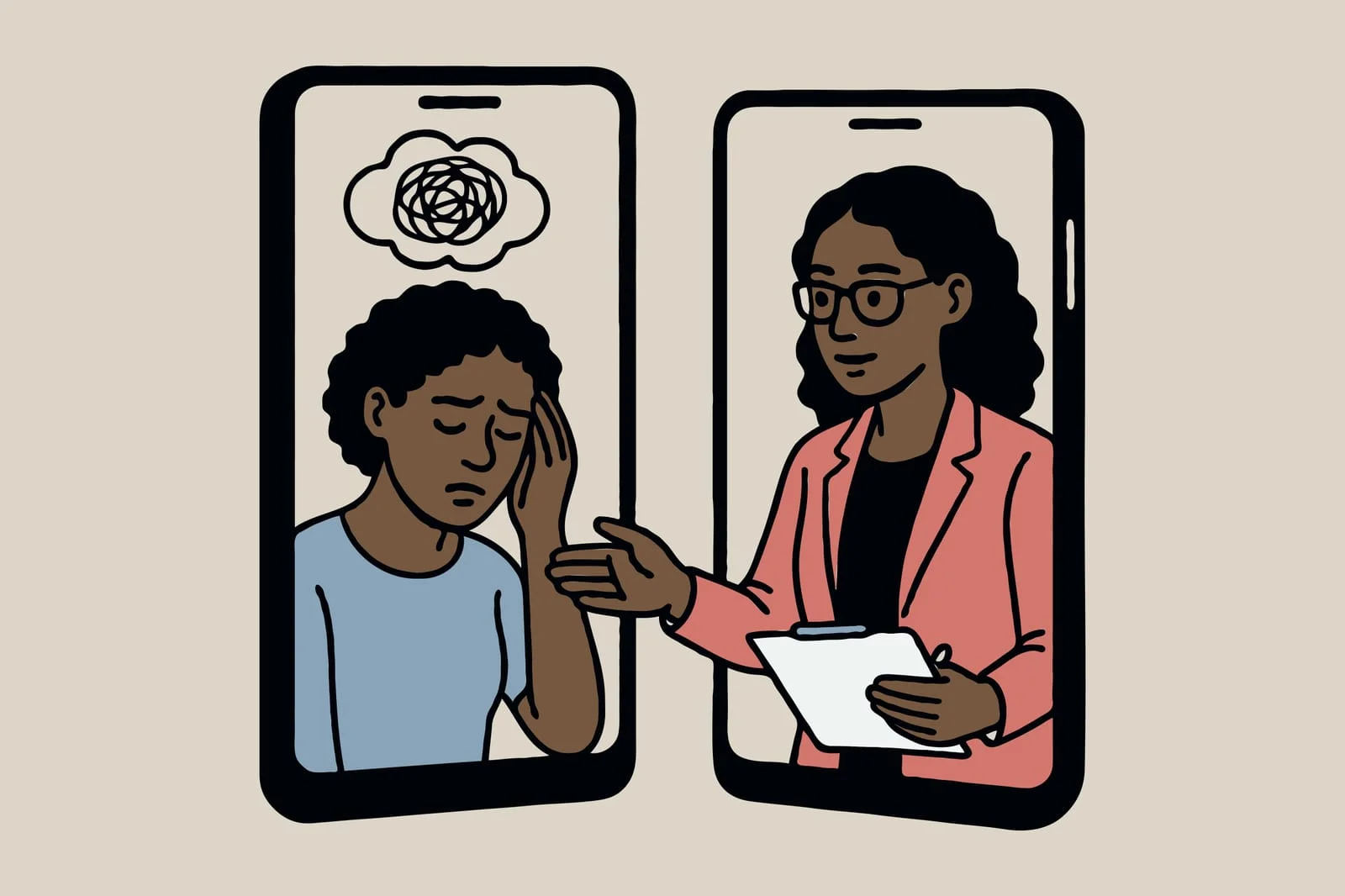
Resilience therapy focuses on building the internal skills that help a person recover from adversity, adapt to change, and keep functioning through difficult circumstances. It is not about suppressing emotions or “toughing it out.” Rather, it centers on developing concrete psychological tools, such as emotional regulation, flexible thinking, and a stronger sense of self-efficacy, that make it easier to move through hardship without becoming overwhelmed or stuck.

Some people come to resilience therapy after a specific hardship, such as a job loss, health scare, or major life transition. Others seek it out proactively, recognizing that they tend to react to stress in ways that leave them depleted, and wanting to build a stronger foundation before the next challenge arrives.


Schedule an Appointment
Resilience Therapy
Resilience Therapy

What Low Resilience Can Look Like

A person struggling with resilience often shows a consistent pattern when facing stress or setbacks:

  • Difficulty recovering from setbacks: a single disappointment or failure lingers far longer than the situation seems to warrant.
  • All-or-nothing thinking: viewing challenges as total failures rather than temporary or partial obstacles.
  • Avoidance of new challenges: steering clear of situations with any risk of failure or discomfort.
  • Feeling easily overwhelmed: small stressors trigger a disproportionate sense of being unable to cope.
  • Difficulty adapting to change: unexpected disruptions to routine or plans cause significant distress.
  • Low sense of self-efficacy: a persistent doubt in one’s own ability to handle whatever comes next.

These patterns are learned, which means they can also be unlearned with the right support and practice.

Building Resilience at Your Local Psychiatrist

At Your Local Psychiatrist, our psychiatrists, psychiatric nurse practitioners, and psychotherapists work with patients to identify their specific stress responses and build a personalized set of tools for facing adversity with greater steadiness.

Our approach to resilience therapy may include:

  • Cognitive Behavioral Therapy (CBT): CBT helps patients notice rigid or catastrophic thought patterns and practice more flexible, accurate ways of interpreting setbacks.
  • Emotional Regulation Skills: structured techniques for managing intense emotions in the moment, so stress responses don’t spiral into avoidance or shutdown.
  • Strengths-Based Coaching: identifying existing personal strengths and past instances of overcoming hardship, then applying those same capacities to current challenges.
  • Mindfulness-Based Techniques: practices that build tolerance for discomfort and uncertainty without immediately reacting to escape them.
  • Treatment of Underlying Conditions: when anxiety, depression, or trauma are contributing to low resilience, we address those conditions directly as part of the broader treatment plan.

Sessions are tailored to whatever is currently testing your resilience, whether that’s an ongoing life stressor, a recent setback, or a general pattern you’re ready to change.

Schedule an Appointment

Resilience Skills You Can Build From Anywhere

All sessions at Your Local Psychiatrist are conducted via telehealth, giving you a consistent, private space to practice these skills without adding travel time to an already full schedule. This is available to patients throughout Manhattan, Brooklyn, Queens, the Bronx, and the rest of New York State. All you need is a smartphone, tablet, or computer with audio and video capabilities.

We accept most major insurance plans, including Medicaid, Medicare, Aetna, Cigna, United Healthcare, Blue Cross Blue Shield, Healthfirst, Emblem Health, Fidelis Care, and many others.

Resilience Therapy

Strengthen Your Ability to Bounce Back

Setbacks are part of life, but how you recover from them can change dramatically with the right tools. Our clinicians can help you build a steadier foundation for whatever comes next.

Dial 718-307-1577, or set up your first telehealth visit online to start working with a provider this week.

Schedule an Appointment

Frequently Asked Questions

While temperament plays some role, resilience is largely made up of learnable skills, including emotional regulation, cognitive flexibility, and problem-solving. Research consistently shows these skills can be strengthened at any age with practice and support.

No. Many patients seek resilience therapy simply because they notice everyday setbacks affect them more than they’d like, or they want to feel steadier heading into a known upcoming challenge, such as a career change or major transition.

Resilience therapy is more skills-focused and forward-looking. Rather than centering primarily on processing the past, sessions emphasize building specific, practical tools you can apply the next time you’re tested by stress or adversity.

This varies by person and circumstance. Some patients notice a shift in how they handle stress within a few sessions, while others work over a longer period to address deeper patterns. Your provider will help set realistic expectations based on your goals.

Yes. The skills developed in resilience therapy, such as emotional regulation and flexible thinking, apply broadly and are often used to navigate stress in specific areas of life, including career pressures, relationship conflict, or family transitions.

Schedule an Appointment