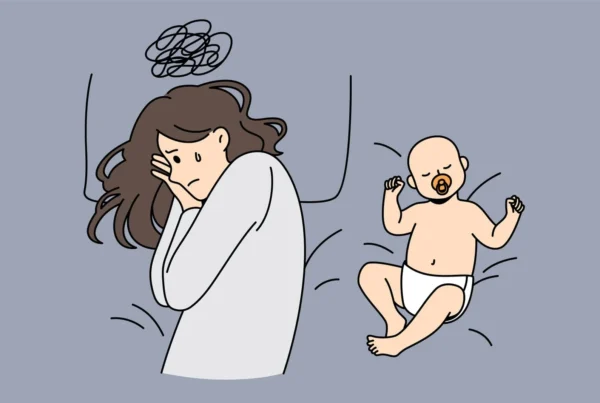
Pica disorder in pregnancy is a condition where a pregnant woman feels compelled to eat non-food substances such as soil, chalk, ice, or clay. It is most commonly linked to nutritional deficiencies, particularly iron and zinc, but hormonal changes and psychological factors can also play a role. While it affects a notable number of pregnant women worldwide, it often goes unreported. Managing it typically involves addressing any underlying deficiencies, working closely with a healthcare provider, and, in some cases, seeking behavioral support.
Pregnancy brings a lot of changes — some expected, some surprising, and some that genuinely leave people baffled. One of the lesser-talked-about experiences involves cravings that go far beyond pickles and ice cream. For some expectant mothers, the urge to eat things that are not food at all becomes very real. This article explores pica disorder during pregnancy in depth: what causes it, what risks it carries, and what expecting mothers can do to manage it safely.
Understanding Pica Disorder in Pregnancy
Most people know pregnancy cravings can be intense and sometimes a little odd. But pica disorder takes this to a completely different level. It sits well outside the range of ordinary food preferences and requires medical attention when it persists.
What Is Pica Disorder?
Pica disorder is defined as a persistent craving for and consumption of non-nutritive, non-food substances for a period of at least one month. The term itself comes from the Latin word for magpie, a bird known for eating almost anything it encounters. In the context of pregnancy, pica disorder in pregnancy refers specifically to these cravings appearing or intensifying during the gestational period.
Common substances consumed by those with pica include:
- Soil or clay (a form called geophagia)
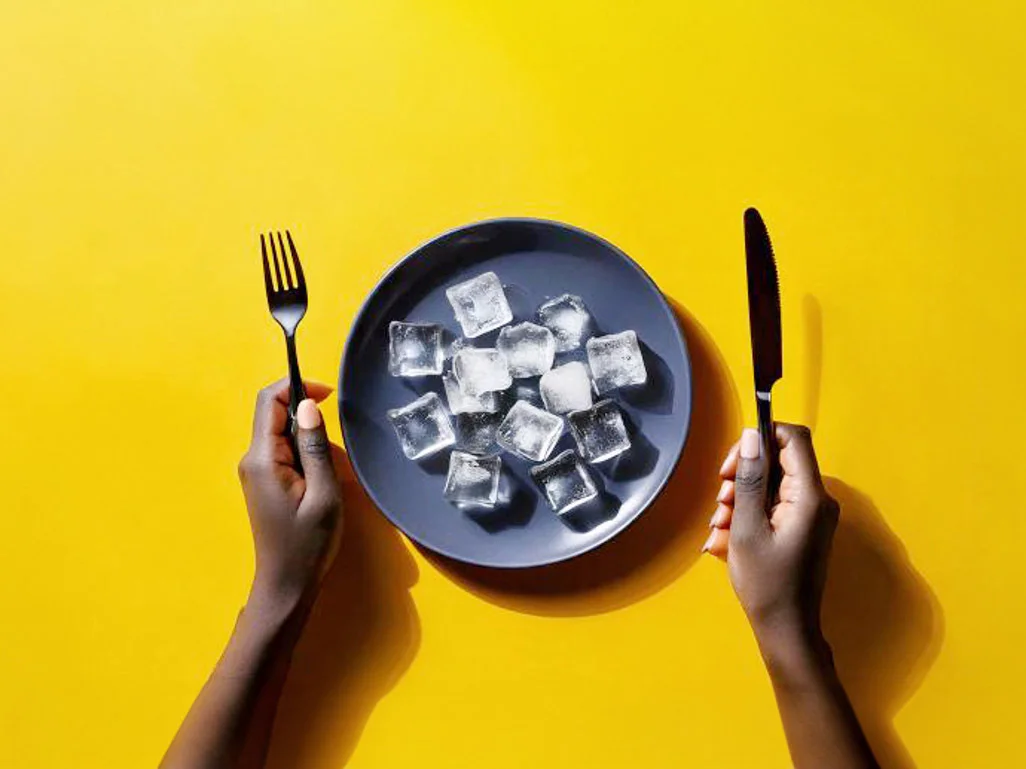
- Ice or freezer frost (pagophagia)
- Chalk, laundry starch, or raw flour
- Ash, sand, paper, or even hair
These cravings are not just fleeting thoughts. For women experiencing pica disorder during pregnancy, the urge can feel overwhelming and difficult to resist. It is also worth noting that pica is not limited to pregnancy — it can appear in children and adults with certain developmental or psychiatric conditions. However, pregnancy significantly raises the likelihood of its onset.
How Common Is Pica During Pregnancy?
Pica disorder while pregnant is more widespread than many people assume, though exact numbers are hard to pin down because many women do not disclose their cravings out of embarrassment or fear of judgment. Rates tend to be higher in certain geographic regions, particularly in parts of sub-Saharan Africa and among some communities in the southern United States, where specific forms of geophagia have deep cultural roots.
What Causes Pica Disorder During Pregnancy?
There is no single explanation for why pica develops during pregnancy. It appears to result from a combination of physiological, hormonal, and psychosocial factors that often overlap with one another.
Nutritional Deficiencies
Iron-deficiency anemia is the most frequently cited link. Interestingly, pagophagia (ice craving) has been specifically associated with iron deficiency in multiple clinical observations. In many cases, when the deficiency is addressed, the pica cravings reduce or disappear entirely. This connection points strongly to a physiological basis for the condition.
Hormonal and Emotional Changes
Stress, anxiety, and emotional discomfort are also frequently reported alongside pica. Some women describe the act of consuming non-food substances as calming or grounding. This behavioral component suggests that emotional needs may be partly driving the cravings, not just physical ones.
Cultural and Psychological Factors
In some cultures, eating clay or soil during pregnancy is considered a traditional practice, believed to ease nausea, provide minerals, or offer protective benefits for the baby. These cultural frameworks can normalize behavior that would otherwise prompt medical attention, making it harder for healthcare providers to assess risk.
Psychological factors such as obsessive-compulsive tendencies or a history of trauma may also contribute. Pica has been observed at higher rates among individuals with certain mental health conditions, and pregnancy stress can bring underlying vulnerabilities to the surface.
Risks and Health Implications of Pica Disorder in Pregnancy
Understanding the risks is essential. While some non-food substances may appear harmless on the surface, pica disorder while pregnant can carry serious health consequences for both the mother and the developing baby.
Health Risks for the Mother
Consuming non-food materials can interfere with nutrient absorption. Clay and soil, for example, can bind to iron and other minerals in the gut, which worsens the very deficiencies that may have triggered the cravings in the first place. This creates a cycle that can be difficult to break without intervention.
Other risks for the mother include:
- Bowel obstruction or constipation from indigestible materials
- Exposure to heavy metals such as lead, arsenic, or mercury found in soil and clay
- Dental damage from chewing hard substances like ice, gravel, or chalk
- Gastrointestinal injuries or internal blockages in severe cases
Health Risks for the Baby
The risks extend beyond the mother. Heavy metals ingested through contaminated soil or other materials can cross the placental barrier and reach the developing fetus. Lead exposure in particular is associated with developmental concerns, cognitive challenges, and low birth weight. A nutrient-depleted mother is also less able to support the nutritional demands of a growing baby, which can affect fetal development across multiple systems.
What Research Tells Us
One notable study — Young SL et al. (2010), published in The American Journal of Tropical Medicine and Hygiene — examined pica in a large obstetric population on Pemba Island, Zanzibar, Tanzania. The researchers found a strong relationship between pica behaviors (both geophagia and amylophagia) and lower hemoglobin levels, confirming the iron deficiency link.
Crucially, the study also highlighted that soil consumption was associated with greater gastrointestinal distress rather than offering any nutritional benefit — directly challenging the folk belief that earth-eating can correct mineral shortfalls. This research reinforced the importance of clinical screening and proper dietary support for pregnant women who exhibit signs of pica disorder in pregnancy.
How to Manage Pica Disorder During Pregnancy
The good news is that pica disorder in pregnancy is manageable, especially when identified early. A combination of medical support, nutritional correction, and behavioral strategies tends to be the most effective approach.
Talking to a Healthcare Provider
The first and most important step is open communication with an OB-GYN, midwife, or primary care doctor. Many women feel ashamed to admit they are craving non-food items, but healthcare providers are trained to respond without judgment. Early disclosure allows for proper testing, including blood work to check for deficiencies, and a tailored plan of care.
Screening for pica disorder during pregnancy should ideally be part of routine prenatal care, particularly for women in higher-risk groups or those presenting with anemia.
Addressing Nutritional Deficiencies
Since nutritional deficiency is one of the primary drivers of pica, correcting it is often central to treatment. This typically involves dietary changes alongside prenatal supplementation, all under the supervision of a healthcare provider who can determine what is needed based on blood test results.
Iron-rich foods such as leafy greens, legumes, and lean meats can be incorporated more intentionally into daily meals. Pairing them with vitamin C-rich foods supports better absorption. Hydration and a balanced diet that covers all micronutrients are also part of a well-rounded approach.
Cognitive Behavioral Therapy (CBT)
When pica has a psychological component, Cognitive Behavioral Therapy can be a valuable tool. CBT helps individuals recognize the thought patterns and triggers that precede the cravings and develop healthier coping strategies. A therapist with experience in perinatal mental health can tailor this approach specifically to the needs of a pregnant woman.
CBT works particularly well in cases where pica is tied to stress, anxiety, or compulsive tendencies. It does not replace nutritional intervention but complements it when both physiological and psychological factors are at play.
Practical Home Strategies
Outside of clinical settings, several day-to-day strategies may help reduce pica cravings:
- Identify substitute textures — if the craving is for something crunchy, safe alternatives like carrot sticks or celery may help redirect the urge
- Keep a craving journal to track when urges are strongest and what emotional states accompany them
- Remove access to the substances being craved, particularly if they pose contamination risks
- Seek social support through trusted people, support groups, or perinatal mental health resources
None of these strategies should replace professional guidance. They work best as supporting measures alongside a structured care plan.
When Cravings Go Beyond Food: What to Do Next
Pica disorder while pregnant is a real and often misunderstood condition that deserves more attention in prenatal care conversations. At its core, it is the body signaling that something is off — whether that is a missing nutrient, an unmet emotional need, or a mix of both. When identified and addressed early, it is manageable, and outcomes for both mother and baby are far better.
The main takeaway is this: pica disorder in pregnancy has known causes, meaningful risks, and proven management strategies. Nutritional deficiencies — especially iron and zinc — are the most common culprits. The risks of consuming non-food substances are real, both for the mother and the developing baby. And with the right support from healthcare providers, dietary adjustments, and, when necessary, behavioral therapy, these cravings can be brought under control.
If you are pregnant and noticing urges to eat things that are not food, do not stay silent. Bring it up at your next prenatal visit. It may feel like an awkward topic, but healthcare providers hear it more often than you might think — and there is genuine help available.
Frequently Asked Questions
Below are some of the most common questions people ask about pica disorder while pregnant, answered clearly and concisely.
Can pica be harmful to pregnant women and their babies?
Yes. Contaminated soil and other non-food substances can contain heavy metals like lead, which can cross the placenta and harm fetal development. They can also block iron absorption, making the underlying deficiency worse. Always speak with a healthcare provider if you suspect pica.
Why do some pregnant women crave soil or clay?
Most commonly, it comes down to iron deficiency anemia. Some women also report that clay temporarily eases nausea. Cultural tradition can be a factor too, particularly in regions where geophagia is normalized. Worth noting: eating soil does not fix iron deficiency — it can actually make it worse by blocking mineral absorption.
Is craving chalk or ice during pregnancy a sign of pica?
It can be. Chalk cravings are often tied to calcium or iron deficiency, while strong ice cravings (pagophagia) are a well-known sign of iron deficiency anemia. If the urge is persistent and hard to resist, mention it to your OB-GYN — a simple blood test can check your levels.
What are the best ways to manage pica cravings during pregnancy?
Start by telling your healthcare provider — early. If a deficiency is found, correcting it through diet often reduces cravings on its own. CBT can help when there is a psychological component. Practically, redirecting to safe textures, keeping a craving journal, and removing access to harmful substances all make a difference.