
Hypomania Treatment

Hypomania can feel like a burst of energy and confidence, but left unchecked, it often signals a deeper mood pattern that needs attention. At Your Local Psychiatrist, we help you recognize the signs early and build a plan for lasting stability.

Schedule an Appointment

What Is Hypomania?

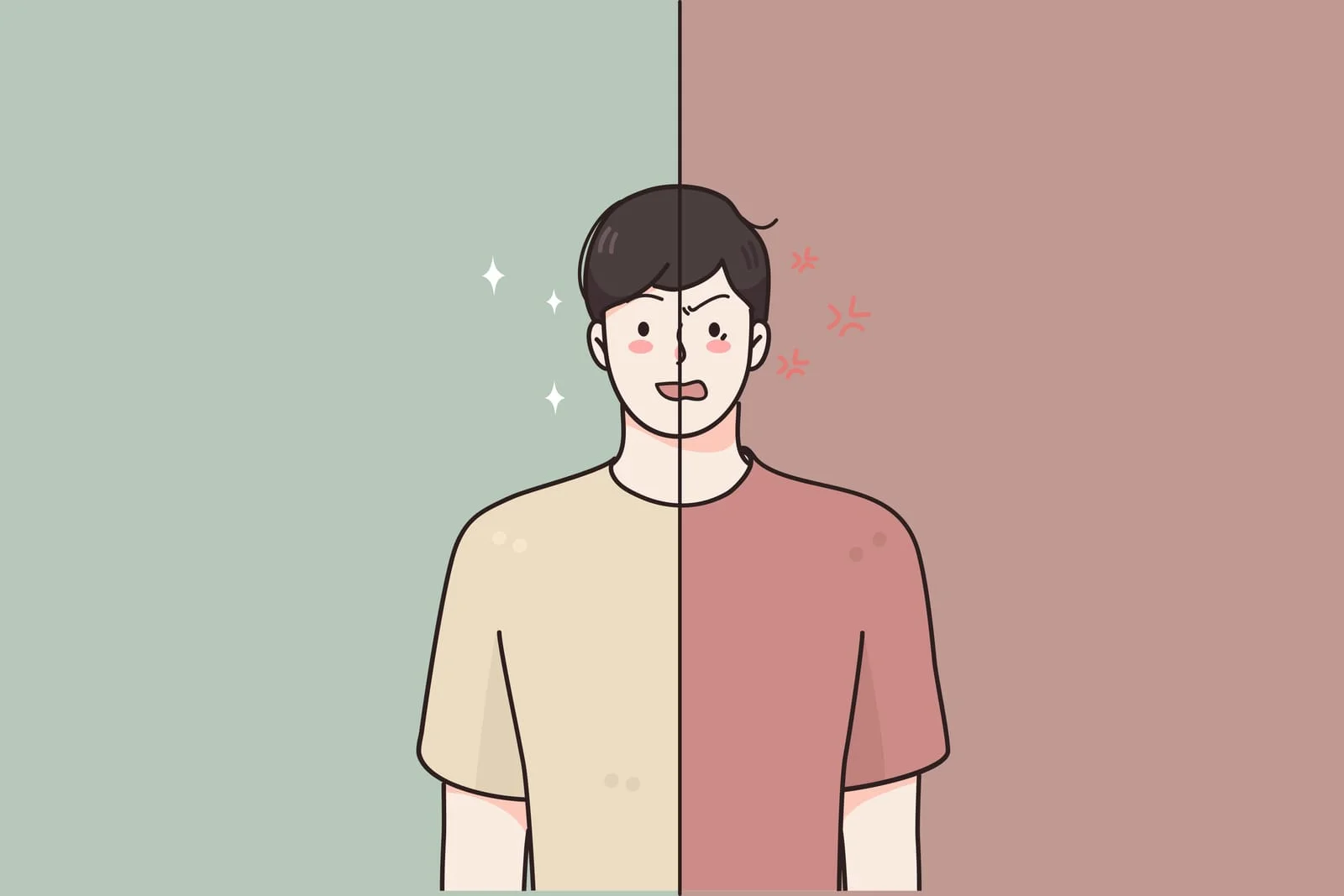
Hypomania is a period of abnormally elevated or irritable mood paired with a noticeable rise in energy. It’s a hallmark of bipolar II and cyclothymic disorder, and can also appear between episodes in bipolar I. Unlike mania, it doesn’t involve psychosis or require hospitalization, which makes it easy to mistake for simply feeling unusually good.

A person may feel unusually confident, sleep less without feeling tired, and speak faster than normal. Because it can feel pleasant at first, many people don’t recognize it as a symptom until it becomes disruptive or is followed by depression. A psychiatric evaluation is the best way to confirm what’s happening and plan treatment.

hypomania treatment
hypomania treatment

Recognizing the Signs of Hypomania

A hypomanic episode typically lasts at least four consecutive days and involves a noticeable change from a person’s usual baseline. Common signs include:

  1. Elevated or irritable mood: feeling unusually euphoric, optimistic, or easily agitated compared to one’s typical temperament
  2. Increased energy and activity: taking on multiple new projects, feeling restless, or being unusually productive
  3. Decreased need for sleep: feeling fully rested after only a few hours of sleep, without daytime fatigue
  4. Racing thoughts and rapid speech: talking more than usual, jumping between ideas, or feeling as though thoughts are moving too quickly to keep up with
  5. Impulsivity: engaging in risky spending, impulsive decision-making, or uncharacteristic behavior with poor regard for consequences
  6. Inflated self-confidence: an unusually strong sense of self-esteem, ability, or importance
Schedule an Appointment

Hypomania Treatment at Your Local Psychiatrist

At Your Local Psychiatrist, our psychiatrists, psychiatric nurse practitioners, and psychotherapists take a careful, individualized approach to treating hypomania, with the goal of stabilizing mood and preventing future episodes. Because hypomania is most often one part of a broader mood disorder, treatment focuses on long-term stability rather than simply addressing symptoms in the moment.

Our approach to hypomania treatment may include:

  • Medication Management: mood stabilizers and, when appropriate, atypical antipsychotics are often central to treatment. Our psychiatrists carefully select and monitor medications to reduce the frequency and intensity of mood episodes
  • Psychoeducation: understanding the nature of hypomania, its triggers, and its warning signs empowers patients to recognize early changes in mood and seek support before an episode escalates
  • Cognitive Behavioral Therapy (CBT): CBT helps patients identify thought patterns associated with mood shifts and develop practical strategies for managing impulsivity and emotional intensity
  • Sleep and Routine Stabilization: consistent sleep and daily routines play a significant role in mood regulation. Our clinicians work with patients to build habits that support long-term stability
  • Ongoing Monitoring: regular follow-up appointments allow our team to track mood patterns, adjust treatment as needed, and respond quickly if symptoms begin to shift

Getting Hypomania Treatment Through Telehealth

All appointments at Your Local Psychiatrist are conducted via telehealth, making it easy to access high-quality psychiatric care from the comfort of your home. Whether you are in Manhattan, Brooklyn, Queens, the Bronx, or anywhere else in New York State, our team is here for you. All you need is a smartphone, tablet, or computer with audio and video capabilities.

We accept most major insurance plans, including Medicaid, Medicare, Aetna, Cigna, United Healthcare, Blue Cross Blue Shield, Healthfirst, Emblem Health, Fidelis Care, and many others.

hypomania treatment

Get Support for Hypomania Today

If you have noticed patterns of elevated mood, racing thoughts, or impulsive behavior in yourself or someone you love, our compassionate team is ready to help. Recognizing hypomania early can make a meaningful difference in long-term mood stability and overall well-being.

Call us at 718-307-1577 or schedule an appointment online to connect with a licensed mental health provider today.

Schedule an Appointment

    Frequently Asked Questions About Hypomania Treatment

    Hypomania and mania share similar features, such as elevated mood, high energy, and decreased need for sleep, but mania is more severe. Mania typically lasts at least a week, causes significant impairment in daily functioning, may include psychotic symptoms, and often requires hospitalization. Hypomania is less intense and does not involve psychosis, though it still warrants professional attention.

    Hypomania is most commonly associated with bipolar II disorder and cyclothymic disorder. It can also occur in bipolar I disorder or, less commonly, be triggered by certain medications, substances, or medical conditions. A thorough psychiatric evaluation helps determine the underlying cause and appropriate diagnosis.

    Yes, and this is one of the most common reasons hypomania goes unrecognized. Because it can feel pleasant and even boost productivity, people often do not seek help until a depressive episode follows or the pattern becomes disruptive to relationships, work, or finances.

    Every person responds differently. Some patients notice improved mood stability within a few weeks of starting treatment, while others benefit from a longer period of adjustment and monitoring. Our clinicians work closely with each patient to find the most effective treatment plan and track progress over time.

    No. In fact, the best time to seek treatment is often between episodes, when it is easier to establish an accurate history, start a stabilizing treatment plan, and put strategies in place to reduce the likelihood of future episodes.